
Scammers Demand Gift Cards for AI-Faked Images of Missing Pets
Three UK pet owners describe receiving threats and requests for payment after fraudsters sent fabricated photos of their lost cats.
By Charles Reed ·
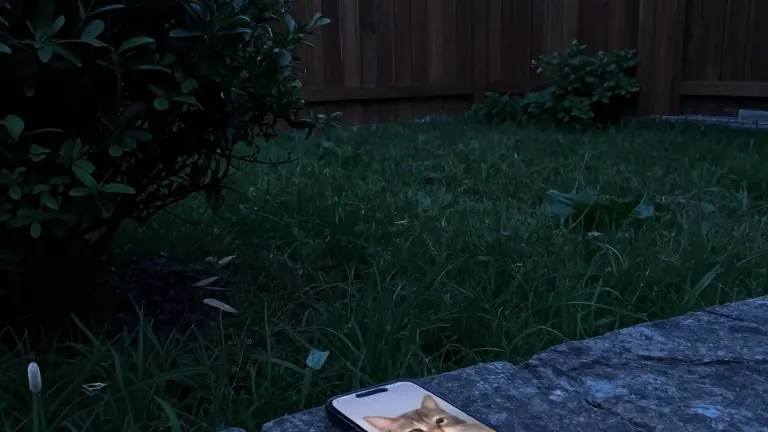
Nearly 1.3 billion pounds were stolen by scammers in the United Kingdom during 2025, a figure that underscores the rapid rise of digital fraud. A subset of these crimes targets pet owners who have reported missing animals online.
Stephanie Young lost her cat Buddy from her garden in Birmingham in September 2025. Shortly after posting his details on pet rescue sites and social media, a woman named Melissa contacted her. Melissa claimed to have fed Buddy and requested reward money for her autistic grandchildren.
Young was certain she had found the animal. She recalled thinking Buddy had chosen a nice garden and withdrew cash from her bank to pay for his return. Within hours, she agreed to meet Melissa nearby to collect the cat. The woman never arrived, refused a cash payment, and instead demanded 100 Apple gift cards.
When Young questioned the authenticity of the images Melissa sent, she discovered they were generated by artificial intelligence. The scammer then threatened to sell or murder the pet. Buddy remains missing thirteen months later.
Cam Chauhan experienced a similar scheme in Wednesbury. Her cat Creed disappeared in July 2025. Nine months after he went missing, she received an exact picture of him sitting in a back garden. Chauhan, a supermarket worker, described the day as an emotional rollercoaster and immediately prepared to retrieve the cat.
Her daughters raised concerns about handing over money before confirming the cat was present. A meeting point was agreed upon, but the scammer refused to appear until gift cards were purchased and sent via text message. Chauhan turned down the request. The pair went home without the cat.
Sarah Robinson from Northampton was contacted two weeks after her cat Cookie went missing. A man named Kherson H claimed to have the animal. Robinson noted he seemed vague about his location and stumbled over his words on the phone. He sent an image of Cookie outside a window, which Robinson initially believed.
Kherson demanded 40,000 pounds for the cat's return and sent a money transfer link. Robinson refused the payment. He subsequently threatened to kill Cookie if the money was not sent. Robinson described the threat as cruel and terrifying.
All three owners reported their cases to Report Fraud, a platform run by City of London Police. The organization advises pet owners to arrange an in-person meeting to see the animal before handing over any money. It also urges the public to stay alert to potential criminals.
Dr. Rasha Kassem, a senior academic at Aston University, stated that artificial intelligence now plays a major role in online fraud. She explained that tasks that were previously technically difficult are now super easy, accessible, and free. Kassem noted a lack of public awareness and guidance on how to stay safe against these new tactics.
Kassem advised victims not to rush into sending money, as criminals often create a sense of urgency. She recommended collecting as much information as possible about the suspect and reporting it to authorities rather than engaging with threats. Pawboost, a free online tracking platform, suggests asking for specific proof such as a short video or a video call showing unique features of the pet. They also recommend meeting in a safe, public place and asking questions only the finder would know, such as details about the pet's collar or personality.
More News · Philadelphia news · Report a business · Got a Story?