Ghrelin Levels Drive Evening Snacking Habits in Adults
Experts link late-day hunger spikes to biological factors rather than willpower, offering strategies to manage nighttime eating.
By Charles Reed ·
Biological factors, not a lack of willpower, primarily drive the urge to snack after dinner, according to a new analysis of appetite research.
Data cited in the report indicates that one-third of adults consume food after their evening meal. Among adults aged 18 to 24, four out of five report snacking nightly. Dietitian Dr. Kristine Beaulieu notes that eating within two hours of bedtime increases the likelihood of weight gain and obesity.
Appetite naturally peaks in the evening, regardless of earlier food intake. Prof. James Betts from the University of Bath explains that ghrelin, the hunger hormone, remains elevated later in the day. While meals suppress ghrelin levels, this effect is strongest after the first meal of the day and less pronounced after lunch or dinner. Betts adds that low-satiety meals can lead to a late-night "crash" that triggers snacking.
The brain's reward system amplifies cravings for calorie-dense foods in the evening. Beaulieu, who splits her time between the University of Leeds and University of Moncton in Canada, states that the desire for high-fat foods increases as the day progresses. This hedonic drive can override fullness signals, causing individuals to seek out sugar, fat, or salt even after a substantial meal. Prof. Suzanne Higgs from the University of Birmingham notes that environmental cues, such as turning on the television, can also trigger habitual snacking.
The relationship between late-night snacking and sleep quality remains complex. Research suggests that refined carbohydrates and added sugars may correlate with poorer sleep due to blood sugar swings and hormonal changes. However, Prof. Jonathan Johnston at the University of Surrey points out that sleep deprivation itself increases appetite for energy-dense foods. Betts concludes that the evidence does not firmly establish whether snacking disrupts sleep or if poor sleep leads to more snacking.
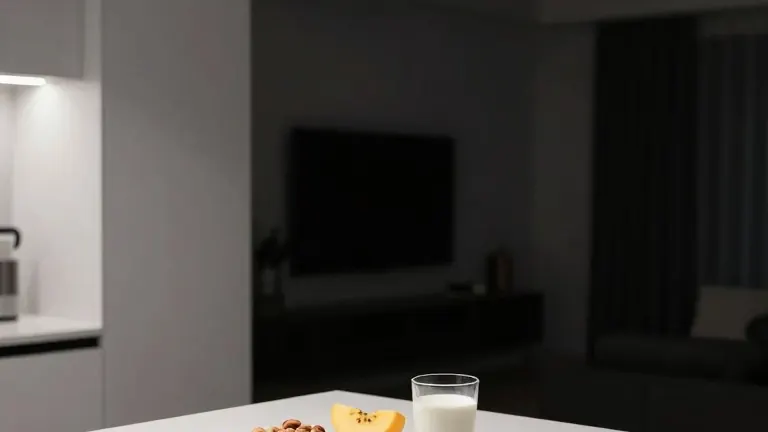
Experts recommend identifying the driver behind evening snacking to address it effectively. If hunger is the cause, making earlier meals more filling with protein and fiber can help. If habit is the issue, changing routines and planning snacks in advance is advised. Higgs warns that distracted eating, such as eating while watching TV, leads to higher consumption. Beaulieu suggests keeping healthy options like fruit, yogurt, and nuts available while limiting the regular presence of craved foods in the pantry.
Moderation is key to sustainable habits, according to Beaulieu. Allowing a reasonable portion of an enjoyed food is more sustainable than complete abstinence. Making the healthy choice the default by controlling what is stored in the kitchen increases the likelihood of selecting nutritious options over time.
More News · Philadelphia news · Report a business · Got a Story?