Bucks County voters face 7 a.m. To 8 p.m. Window in busy 2026 midterms
Pennsylvanians cast ballots for Governor Josh Shapiro and U.S. House representatives today while national officials scramble to manage record mail ballot volumes and new congressional maps.
By Lucia Herrera ·
Polls across Bucks County open at 7 a.m. And close at 8 p.m. Local time today. Residents in towns near Philadelphia and Bethlehem are heading to the polls to select their U.S. House representatives and state officials. The state election features incumbent Governor Josh Shapiro, who is running for re-election against Republican and Libertarian challengers. Every U.S. House seat in Pennsylvania is on the ballot, meaning voters in the county are choosing between Democrats and Republicans for federal office. Local elections for state legislative and county offices also appear on the ballot, with specific measures varying by county.
Voters can locate their specific polling place using the vote.gov website or their state election office resources. A federal rule ensures that anyone standing in line when polls close at 8 p.m. Is entitled to cast a ballot. Identification requirements differ by state, so voters are advised to check Pennsylvania specific rules before traveling to their designated location. The U.S. Postal Service has added extra hours and staff to ensure that mail ballots received by the deadline are counted on time, a measure that helps support voters who did not vote in person.
Nationally, the stakes are high as all 435 U.S. House seats and 35 U.S. Senate seats are up for grabs. Republicans currently hold 218 House seats and 53 Senate seats, while Democrats hold 214 House seats and 45 Senate seats. Democrats need a net gain of three House districts and four Senate seats to secure majorities in both chambers. The election is being viewed as a referendum on President Donald Trump's second term, with many voters expressing concerns about high prices and the ongoing war with Iran. Recent polling indicates that 35 percent of U.S. Adults approve of Trump's job performance, while about seven in ten say the country is heading in the wrong direction.
Thirteen U.S. Senate races are considered battlegrounds, including contests in Georgia, Michigan, and North Carolina. In Georgia, Senator Jon Ossoff faces Representative Mike Collins, while in Michigan, former Representative Mike Rogers runs against Abdul El-Sayed. The Associated Press notes that economic strain and tariffs have made states like Maine and Michigan particularly competitive. In North Carolina, former Governor Roy Cooper challenges Michael Whatley for the seat vacated by retiring Senator Thom Tillis. These races are critical because the winner will help determine which party controls the upper chamber for the next two years of the presidential term.
Thirty-six governorships are also on the ballot, with Democrats defending five seats in states that voted for Trump in 2024, including Pennsylvania and Michigan. In Pennsylvania, Josh Shapiro seeks to retain his office, while in Georgia, Republican Rick Jackson runs against former Atlanta Mayor Keisha Lance Bottoms. The Associated Press identifies Ohio and Iowa as additional competitive governor races. Democrats are hoping to hold a majority of governorships for the first time in two decades, a goal that would shift the balance of power at the state level. Republicans, who have held a governorship majority since 2010, are working to maintain their advantage in these key states.
More than 57 million people had already voted as of Monday, surpassing early voting totals from four years ago in many states. This high level of early participation suggests that turnout will be a deciding factor in several close races. Republican National Committee Chairman Joe Gruters stated that everything depends on turnout, emphasizing the importance of getting supporters to the polls. In contrast, Democratic Congressional Campaign Committee Chair Suzan DelBene said the American people are angry and want change, reflecting the party's strategy to capitalize on economic dissatisfaction among voters.
Six states, including California, Florida, and Texas, are using new congressional maps after mid-decade redistricting. These new districts may not vote as originally predicted, adding a layer of complexity to the House race. The Associated Press notes that 21 districts held by Democrats voted for Trump in 2024, while nine Republican-held districts voted for Kamala Harris. This shift highlights the potential for upsets in areas that were previously considered safe for one party or the other. Voters in these states are effectively redrawing the political landscape for the next decade.
A federal judge temporarily barred the Trump administration from implementing a plan to prevent noncitizen voting, a move that critics say could disenfranchise eligible voters. The judge also ordered the administration to stop demanding that California officials segregate ballots from people on lists of suspected noncitizens. These legal developments have raised concerns about the administration's interference in state election processes. The Justice Department has threatened to prosecute local election officials, which has led some Democrats to fear intimidation tactics on Election Day.
The 2026 elections are expected to be the most expensive in history, with Republican committees outspending Democrats at the committee level. However, Democrats outraised their opponents at the candidate level. Republican advertising spending was heavily concentrated in states and districts that Trump won in 2024, with more than $850 million spent in areas where he won by ten points or more. This spending strategy reflects the Republican focus on defending their existing base while attempting to expand their reach in competitive districts.
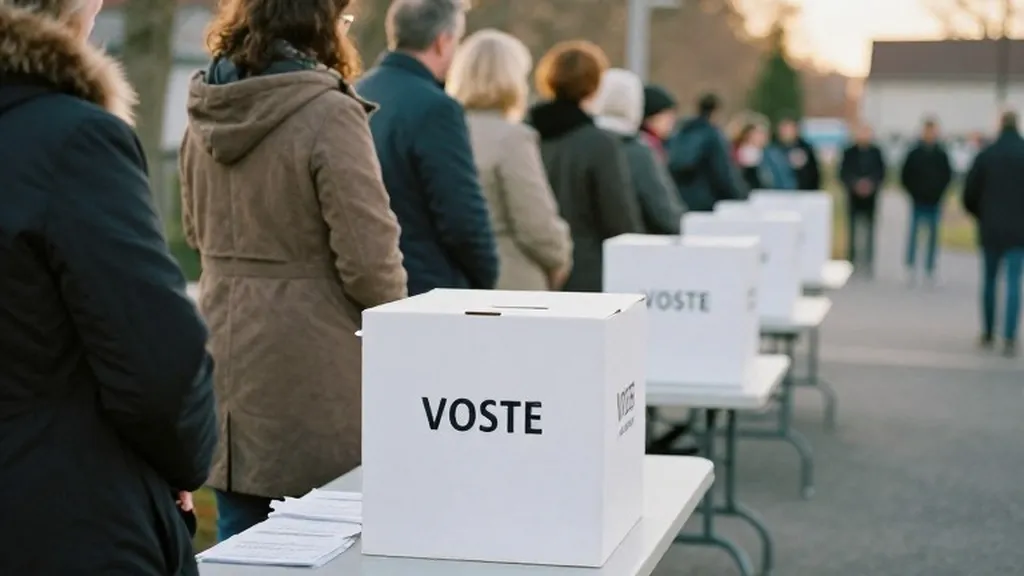
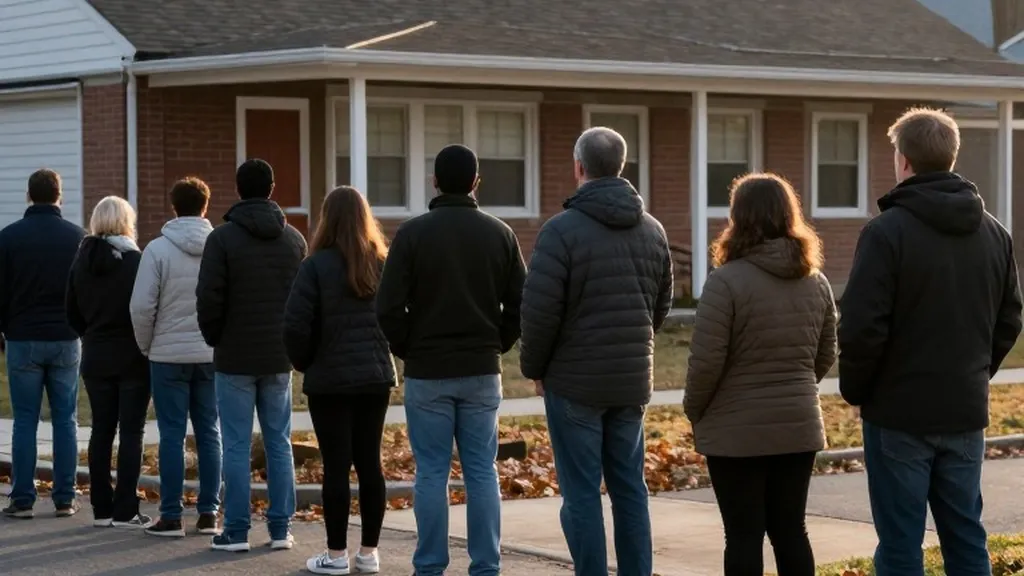
Voters in Bucks County and across the country are casting ballots under clear skies and cool morning temperatures, creating favorable conditions for long lines at polling stations. The scene captures the quiet determination of citizens participating in the democratic process, with early arrivals waiting patiently for the doors to open. As the day progresses, the focus will remain on the practicalities of voting, from ID checks to the timely processing of mail ballots, all while the nation awaits the outcome of the most significant midterm election in recent memory.