Lebanon cuts power to 100 public bodies
Energy Minister Joe Saddi has halted electricity to state institutions with unpaid bills, escalating his dispute with Prime Minister Nawaf Salam's cabinet.
By Lucia Herrera ·
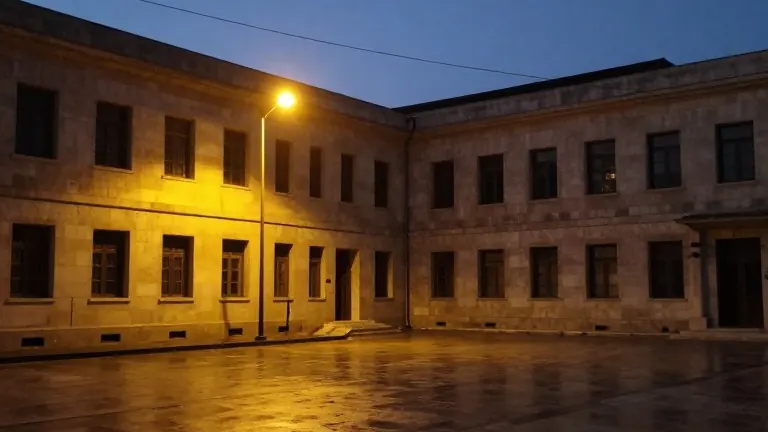
Residents in Lebanon are facing tighter power constraints as the state halts electricity to roughly 100 public institutions. The Ministry of Energy and Water began shutting off power to these bodies on Monday. The action targets institutions with outstanding bill payments. This move intensifies a conflict between Energy Minister Joe Saddi and the central government.
Saddi has boycotted cabinet meetings recently. He cites the government's failure to increase power supply and settle debts owed to the state-owned electricity company. The minister claims the state must reduce fuel cost burdens. His party, the right-wing Lebanese Forces, joined him in boycotting a cabinet meeting last Thursday. Three other LF ministers participated in the walkout.
Lebanon has suffered from unreliable power for years. State-provided electricity in Beirut dropped from 21 hours daily to two or four hours. Some days see no state power at all. This decline accelerated after the 2019 economic and banking crisis. Locals now rely on private generators to keep lights on. These generators are often run by political parties or individuals with ties to power.
Inflation has compounded the energy crisis. The World Bank projects year-on-year inflation at 17.5 percent this year. Fuel costs have risen sharply due to the US-Israel war on Iran. This increase affects the diesel used by private generators. Jessica Obeid, a Lebanese energy expert, noted that the sector suffers from corruption across the supply chain. She estimated the corruption amounts to billions of dollars.
Saddi pushed the government of Prime Minister Nawaf Salam to prioritize his ministry earlier this year. He paused his pressure when the war on Lebanon intensified in early March. Tensions flared again after the draft 2027 budget was announced in October. The LF objected to the lack of attention given to the electricity sector in the budget. Saddi told local media that he is pressuring the government to focus on the crisis.
Qatar has offered financial support to the Lebanese state. Qatari Prime Minister Sheikh Mohammed bin Abdulrahman bin Jassim Al Thani visited Beirut last month. He confirmed plans for an energy partnership. This includes a solar power project. Reuters reported that Doha offered to build two power plants over three years. Qatar also proposed a 20-year liquefied natural gas supply deal.
Sami Zoughaib, an economist at The Policy Initiative, described the boycott as a political move. He said the LF seeks to maintain popular support. If they lose favor, regaining the ministry would be difficult. Under previous governments, the Free Patriotic Movement often managed the Energy Ministry. Gebran Bassil, the FPM leader, has criticized Saddi's management. Bassil previously promised 24-hour state electricity but failed to deliver.
Experts argue that short-term fixes are insufficient. Obeid stated that Lebanon lacks a clear vision for its power system. She pointed to the country's bankruptcy and repeated Israeli attacks as barriers to investment. The aged grid requires rehabilitation. Zoughaib added that the state cannot reproduce the pre-2019 model of subsidized electricity. He said the government must reform the entire sector to create a sustainable solution.