Iowa Auditor Rob Sand Elected Governor, Ending Long Republican Rule
Sand defeated first-time challenger Zach Lahn, a result that breaks a decade of unified party control in the statehouse.
By Charles Reed ·
Rob Sand won the governor’s race in Iowa on Tuesday, taking office from a retiring Republican governor.
The 44-year-old state auditor defeated Zach Lahn in a contest that ended more than 20 years of continuous Republican control of the seat. Sand was the only Democrat holding a statewide elected position before this victory. His win creates a divided government, as Republicans maintain majorities in the state House and Senate.
The race emerged from the unexpected retirement of Gov. Kim Reynolds, who led the state for a decade. This was the first gubernatorial election in Iowa without an incumbent since 2010. While Sand faced no opposition in the Democratic primary, the Republican field featured five candidates. Lahn won that primary by less than a percentage point over U.S. Rep. Randy Feenstra, who had the endorsement of President Donald Trump. Lahn captured only about one-third of Republican voters in that crowded field.
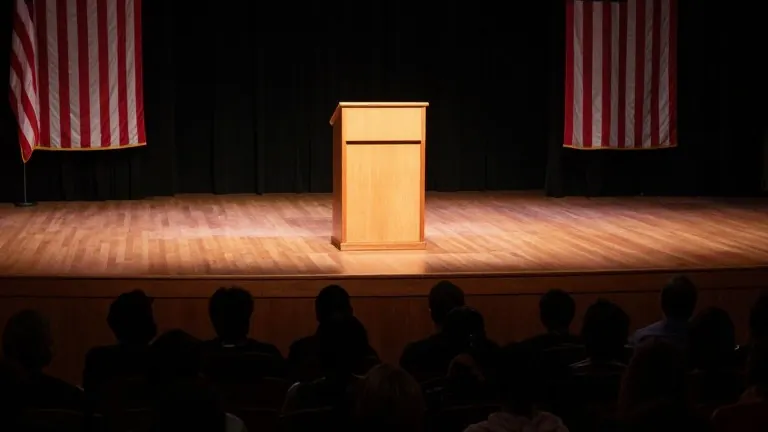
Sand took the stage in Des Moines after the polls closed to address a large crowd. He told supporters that Iowans sent a clear message on Tuesday evening. “We have to have bigger hearts and minds than just our party,” Sand said. “Come January, we will be forced to work together.” He expressed a desire to collaborate with lawmakers to address state issues. He also said he would act as a check on Republican efforts to pass culture war bills.
Lahn conceded the race and framed his defeat as a signal to corporate interests, career politicians, and lobbyists. “America is at a crossroads,” Lahn said. “The fight is just beginning right now.” He noted that he spoke with Sand and said he would keep him in his prayers. “I wish him well in this,” Lahn added.
Both candidates criticized the state’s economic stagnation, declines in public education, and rising cancer diagnosis rates. They offered different solutions for those problems. Lahn argued that Sand would raise taxes and increase regulations. Sand countered that Republican tax cuts and investments in education savings accounts have worsened the state’s budget deficit. He pointed to the use of public dollars for private school tuition as a primary driver of that deficit.
The campaign featured personal attacks as well as policy debates. Sand highlighted Lahn’s recent registration to vote in Iowa, noting he registered only two years ago. Lahn explained his frequent trips to Kansas were due to his blended family, as his children from previous marriages do not live full-time in the state. Lahn criticized Sand for receiving millions of dollars in donations from his wife and in-laws, labeling him a career politician. Sand had served as a prosecutor under a Democratic state attorney general before winning the auditor’s office in 2018.
Industry groups in agriculture and business largely stayed out of the contest, despite endorsing candidates in other races. Sand’s path to victory relied on a profile built through annual county town halls and social media posts about his small-town upbringing in northeast Iowa. He emphasized his middle-of-the-road approach to politics rather than strict party alignment. His win follows his previous two victories in statewide auditor races.
More Politics · Philadelphia news · Report a business · Got a Story?