
Diaper Prices Rise 5% as Shipping Disputes Hit Colorado Families
WeeCycle reports a surge in demand that has forced the organization to halve the number of diapers provided per child during distribution events.
By Charles Reed ·
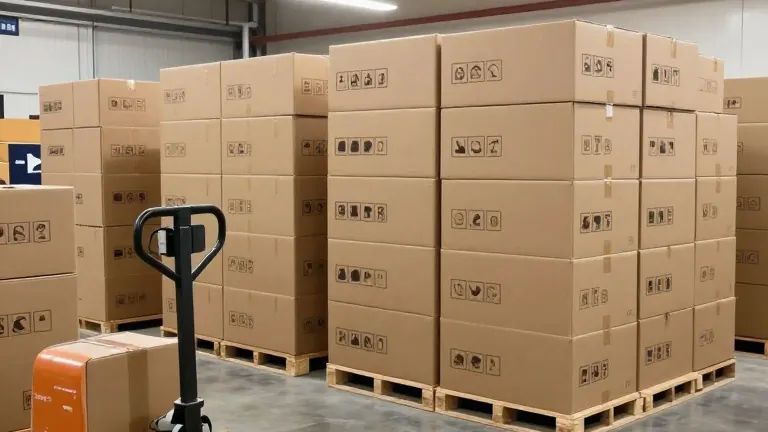
Diaper prices have increased by approximately 5% for local buyers, adding roughly $2,500 to the cost of each truckload purchased by Colorado nonprofits. Lindsey Zaback, development director for WeeCycle, attributes the price hike to global market pressures and disruptions in shipping routes through the Strait of Hormuz.
The nonprofit organization serves families in need by providing essential baby items. Zaback states that diapers are currently among the most requested items by those seeking assistance. The cost increase is driven by the fact that diapers require petroleum and plastic derivatives for manufacturing. The ongoing conflict in the Middle East is affecting the movement of these raw materials, while crude oil prices also influence the final product cost.
Kishore Kulkarni, an economics professor at MSU Denver, notes that while the United States manufactures a large portion of its diapers, it also relies on imports from China, Japan, and Germany. This dependency on international supply chains exposes domestic prices to volatility in global shipping and energy markets. Rising gas and diesel prices further strain the delivery costs for organizations moving bulk goods to communities.
Demand for these supplies has risen sharply in recent years. Zaback explains that in 2020, WeeCycle served an average of 235 children per distribution event. Currently, that average has climbed to 493 children per event. This growth in demand has stretched the organization's limited resources, forcing a change in how it provides aid.
To manage the higher costs and increased need, WeeCycle has cut its distribution packages in half. Families now receive about 50% fewer diapers per child than they did in the past. Zaback describes this as a challenging situation for the nonprofit, which often acts as a safety net when government subsidy programs are difficult to access or face cuts.
The reduction in supplies creates practical difficulties for working parents. Licensed daycare centers require parents to supply their own diapers for their children. When families cannot afford the necessary quantities, parents may have to miss work or school to handle the shortage at home. This dynamic places additional pressure on household budgets and work schedules.
WeeCycle officials anticipate that demand will continue to rise as the holiday season approaches. The organization is seeking financial donations and volunteer support from the community to help bridge the gap between its current budget and the growing need for infant supplies in the region.
More Business · Customer Complaints · Report a business · Got a Story?