Channel 4 Hosts Deception Game to Expose Gambling Risks
The one-off program used a hidden actor and a studio audience to demonstrate how quickly viewers can lose money in a quiz format.
By Lucia Herrera ·
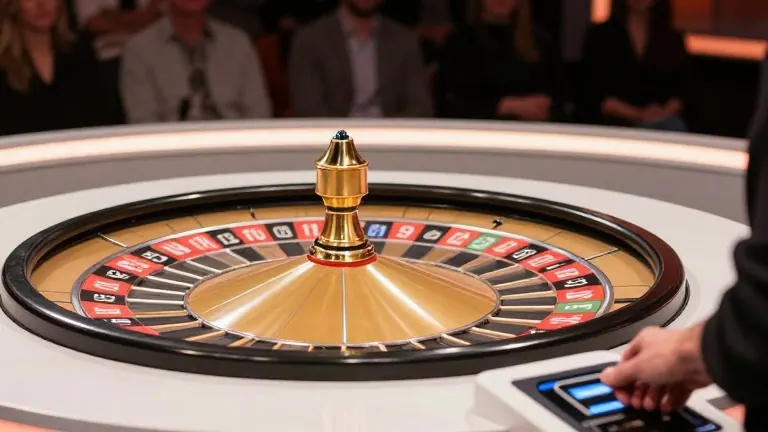
Channel 4 aired a one-off game show titled The Million Pound Shot on November 1, 2026. The program was hosted by Bradley Walsh and was designed to reveal the mechanics of gambling addiction. The broadcaster promoted the episode with minimal information, citing a secret twist to build anticipation.
The show began with Walsh introducing a quiz format where three contestants wagered their own funds. The player who bet the most on the initial question earned the right to play a roulette-style wheel first. The episode featured a contestant named Reece, who was 30 years old. He agreed to a spending limit of £1,700 with his partner before entering the studio. To place bets, Reece used his personal bank card on a chip and pin terminal, mimicking a casino environment.
Reece quickly doubled his initial £500 stake to £1,000. He expressed increased confidence in his abilities. As the game progressed, he continued to insert his card into the terminal. The studio audience encouraged him to continue. His total losses expanded from the agreed limit to £6,000. He exited the studio in tears, held by his girlfriend. An audience member stood to criticize the spectacle, but was asked to sit down.
Walsh then revealed the format to the studio audience and television viewers. The game was a staged scenario. The studio audience consisted of real people who did not know they were participating in a hoax. They had actively encouraged the contestant to increase his bets. Walsh explained that the show aimed to illustrate how easily individuals can lose money they do not have.
The character of Reece was played by an actor. The role was based on Patrick, a primary school teacher. Patrick lost £300,000 to gambling. He was close to taking his own life due to the debt. He borrowed money from the parents of his students, claiming he needed funds for car repairs, dental work, or tax bills. His school investigated his financial discrepancies. He nearly faced prison for the lies.
Patrick first gambled at university. He later described how the free breakfasts at casinos between 2 a.m. and 4 a.m. attracted students. He spent up to £10 on roulette spins, often losing more in the casino than at nightclubs. He noted that he frequently returned to his dormitory with less cash than he had started with.
Walsh spoke with experts on gambling addiction during the broadcast. He used specific phrases to encourage Reece, such as saying the audience had a good feeling about a bet. The show noted that half of the gambling sector's profits come from 5% of customers who lose large amounts of money. Reece received a bonus ball for a final attempt to recover some losses. More than half of gambling addicts say they are drawn back in by the promise of a free bet.
The broadcast ended with Walsh summarizing the findings. The episode served as a demonstration of the psychological traps in gambling formats. The audience and the contestant were part of the experiment. The show concluded with a discussion on recognizing the signs of losing control over spending habits.
More News · Philadelphia news · Report a business · Got a Story?