
SUV-mounted radars to test drone defense
BAE Systems is trialing passive radar units that detect drones using existing radio signals without transmitting their own.
By Charles Reed ·
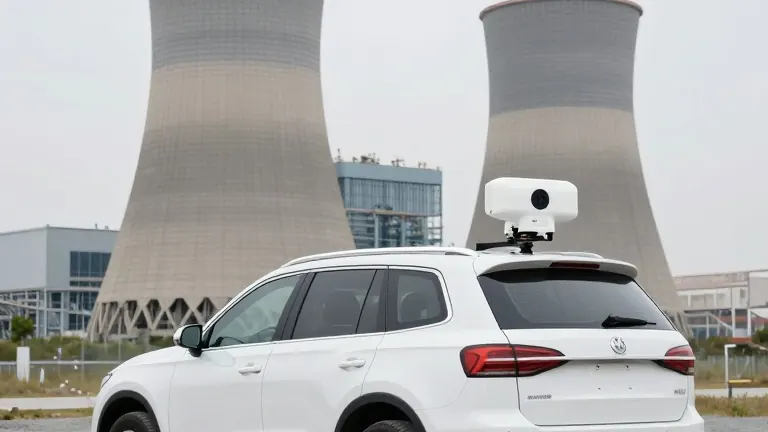
The British government plans to test a new radar system designed to detect drones near critical infrastructure.
The defense firm BAE Systems developed the technology. The devices are small enough to fit in the back of a standard sport utility vehicle. Officials reviewed the technology before live trials scheduled for next year.
More than 250 drone incidents were reported near British military bases in 2025. Air travel leaders warned that organized drone attacks on UK airports are a matter of timing rather than probability. The new system aims to address these rising security concerns.
The radar works by detecting reflections of existing radio signals, such as television broadcasts, off objects in the air. Because the device does not transmit its own signal, it remains undetectable to enemy systems. This passive approach allows the radar to hide while identifying threats.
Professor David Stupples, a surveillance expert at City St George’s University, noted that the technology protects sites that impact the national economy quickly. He stated that power plants, water plants, and data centers are open to drone attack. He said the vehicles could be deployed around nuclear sites and military airfields to detect where drones are located without revealing the radar's position.
Chris Shepherd, a product manager at BAE, explained that traditional radars can interfere with sensitive electronics in certain areas. The passive radar offers an easier installation process. Shepherd said law enforcement and prisons are requesting these sensors. He added that active radars near front lines have a survival time measured in single-digit minutes in current conflicts.
The UK government will conduct testing of the radars next year. BAE has already demonstrated the technology to relevant parties on company sites. The product is expected to reach the market as early as mid-2027 after independent testing is complete. BAE is pitching the system for military use and national security site protection.
Recent incidents have highlighted the need for better detection. US personnel took shelter at RAF Lakenheath after suspected drone activity last Friday. Flights were diverted at Heathrow airport after a drone sighting in January. Germany blamed Russia for a drone attack at Leipzig airport in August, where a device carrying an explosive was found near Ukrainian cargo planes.
The technology could also prevent drones from delivering drugs to prisoners. Drone sightings around prisons increased by 770 percent between 2019 and 2023. BAE suggests officers could drive the radar units to mass public events like Notting Hill Carnival and Trooping the Colour to pick up potential threats to large crowds.
The passive radars can also detect glide bombs and cruise missiles. Professor Stupples warned that enemy drones could uncover the vehicles on the front line. He said the antennas on the vehicle would need shielding to ensure they cannot be seen in sophisticated drone battles. The UK government said it does not comment on operational matters.
More Tech · Philadelphia news · Report a business · Got a Story?