New Zealand voters decide fate of tight race
Polling places close Saturday evening as analysts predict no clear winner between National and Labour.
By Lucia Herrera ·
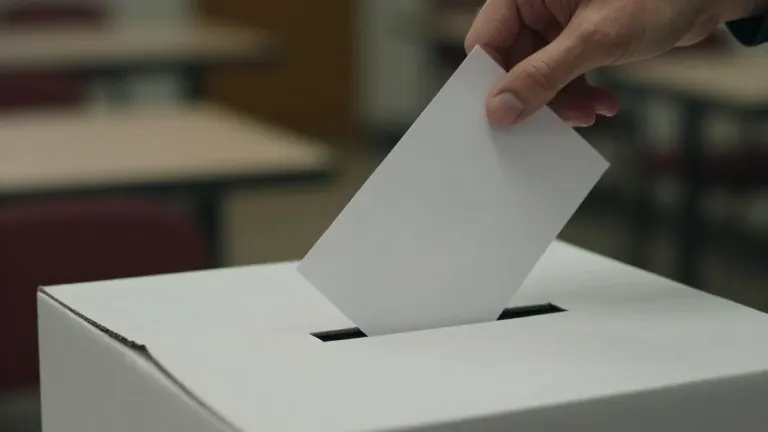
Voters in New Zealand cast their ballots in a general election that analysts expect will result in a close contest between the governing coalition and the opposition bloc.
Polling places closed Saturday evening, with officials aiming to release results from 95 percent of votes cast that night. A final tally is due on Nov. 27. The country has a single house of government, and the central government holds ultimate sway over national policy for three-year terms.
Christopher Luxon, the leader of the center-right National party, faces a difficult fight for a second term. His party won the 2023 election on pledges to reverse post-pandemic economic malaise. Unemployment reached an 11-year high in the September quarter. Luxon’s coalition, formed with New Zealand First and ACT, has faced two confidence votes among its own lawmakers this year.
Chris Hipkins, the leader of the center-left Labour party, seeks a second chance at power after a defeat three years ago. Labour is pledging to ease living costs and fund the public healthcare system. Neither major party has recorded more than 30 percent of the vote in polls close to the Nov. 7 election date. Ben Thomas, a former National government press secretary and current public affairs director, noted that both parties face distrust from the electorate.
Minor parties hold increasing sway in the political landscape. The National coalition includes populist and libertarian groups that sought to repeal legal recognition of Indigenous Māori rights. About 100,000 people marched on Parliament to oppose one such measure. Bernard Hickey, an economic and political analyst, described the situation as minor parties having disproportionate influence. He said, “In fact, there were two tails wagging one dog.”
The Opportunity Party could determine the outcome if elected to Parliament for the first time. The group is led by Qiulae Wong, a 38-year-old business professional who has not held political office. Wong has pledged to negotiate first with the party that wins the most votes if her group holds the tiebreaker role. Luxon has ruled out governing with The Opportunity Party, but analysts say both major leaders may seek a deal if necessary.
New Zealanders cast two votes, one for their preferred party and one for a local representative. A coalition must hold more than half of parliament’s seats to govern. The total number of seats is determined by official calculations on election night. This election serves as an appraisal of the country’s most right-wing modern government, which took office in 2023.
More World · Philadelphia news · Report a business · Got a Story?