Federal Reserve Policy: Hold Expected Amid 3.7% Inflation and Midterm Elections
The central bank is projected to leave rates at 3.75% to 4.00% as oil prices rise from the U.S. conflict with Iran, a decision made days before voters head to the polls.
By Charles Reed ·

The Federal Reserve is positioned to maintain its current stance on monetary policy during its October meeting, a decision that coincides with a rise in consumer prices and heightened geopolitical tension. Analysts predict the central bank will leave the federal funds rate unchanged in a range of 3.75% to 4.00%, despite economic indicators suggesting continued pressure on household budgets.
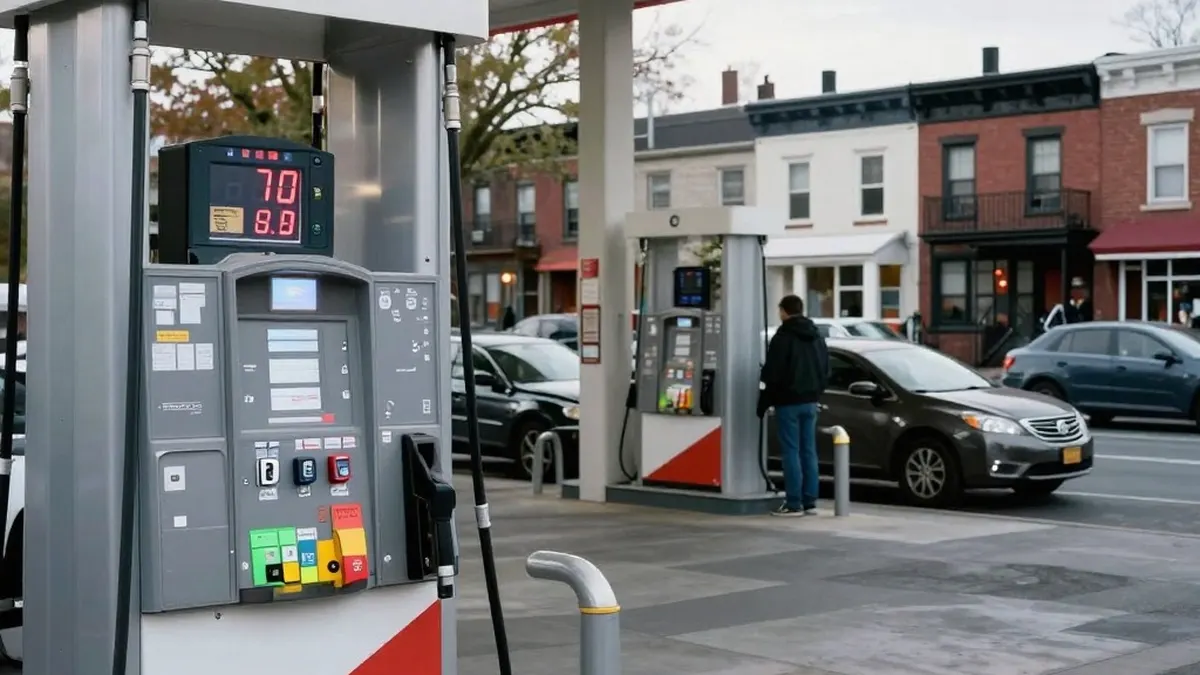
The consumer price index increased in September, pushing the annual inflation rate to 3.7%. This rise was partly driven by surging oil prices resulting from the U.S. war with Iran, which also contributed to a higher producer price index. Brent crude oil traded at a five-month high on Friday before experiencing a slight decline. The Fed last adjusted rates in September, raising them by 25 basis points, marking its first increase since 2023.
Market instruments indicate a high probability that the Fed will pause its tightening cycle this week. The CME Group's FedWatch tool shows that fed funds futures price in less than a 10% chance of an additional quarter-point hike at the upcoming meeting. However, nearly 75% of market participants expect at least one rate increase before the end of the year. Heather Long, chief economist at Navy Federal Credit Union, noted that the timing aligns with the election cycle, suggesting the Fed will avoid a hike in October.
The meeting occurs just days before the midterm elections, providing the final official assessment of the inflation pace before voters cast their ballots. Historical data shows that the Fed has generally maintained its policy path during previous midterms. Mark Shore, director and economist at the CME Group, pointed out that the four instances in which the Fed raised rates near a midterm election, specifically in 1978, 1982, 2018, and 2022, were all linked to rising inflation.
Fed Chairman Kevin Warsh has stated a commitment to returning inflation to the 2% target. Aditya Bhave, an economist at Bank of America, wrote in a research note on Oct. 23 that a hold could lead markets to question the Fed's credibility in fighting inflation. The benchmark rate influences various consumer financial products, including credit cards, mortgages, and auto loans. The average interest rate on a new credit card offer currently stands at 23.96%, according to LendingTree.
Long-term borrowing costs remain elevated due to inflation expectations. The yield on the 10-year U.S. Treasury has hovered near 5%, which helps keep the average rate on a 30-year fixed mortgage close to 7.4%. Mark Zandi, chief economist at Moody's, observed that higher long-term rates are weighing on refinancing activity, homebuying, and vehicle sales. Meanwhile, auto buyers are increasingly taking on larger loans and extending repayment terms to manage affordability, according to Edmunds. Savings rates continue to track the federal funds rate, offering relatively attractive yields on deposit products.
The decision to hold rates steady leaves variable credit card rates near current levels. While higher rates can help ease inflationary pressures over time, they increase immediate borrowing costs for consumers. Federal student loan rates for new borrowers in the current academic year are already set higher based on the May 10-year Treasury note auction results. The interplay between short-term prime rates and long-term Treasury yields continues to shape the financial landscape for American households.
Source: CNBC
More Business · Customer Complaints · Report a business · Got a Story?