Colorado rancher faces $200,000 loss after double flood
Matthew Martinez lacks flood insurance and may lose his temporary housing as cleanup costs mount following two severe storms.
By Mei Lin ·
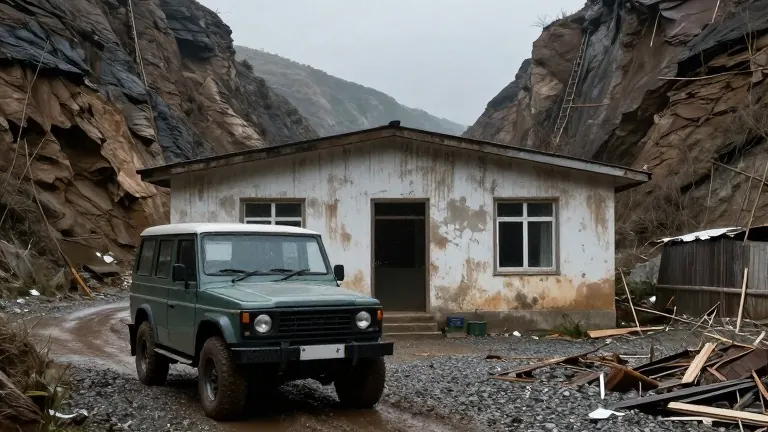
Matthew Martinez estimates he lost at least $200,000 in property when the Navajo River surged twice in two weeks, leaving his home in far southwestern Colorado covered in mud and his barn damaged.
Martinez, 60, has lived in a canyon along the river for nearly six decades. He said he had never seen severe flooding in that time. The river destroyed a corral and washed a horse away. His tools are gone.
The storms hit the Four Corners region of Arizona, Colorado, New Mexico, and Utah. The Navajo, San Juan, and Animas rivers all rose above their banks. Scientists attribute the intensity of the rainfall to a strong El Niño event, which disrupts weather patterns and increases the likelihood of heavy rain across the South.
Flooding struck several towns, including Flagstaff, Sedona, and Tucson in Arizona; Pagosa Springs and Durango in Colorado; Farmington in New Mexico; and Bluff in Utah. Parts of the Navajo Nation were also affected.
Martinez was out of town for knee surgery when the first flood hit. He returned on Wednesday to find his home destroyed. He said several families in the canyon, some with roots going back 100 years, suffered similar damage.
"We're in trouble, all of us are. Not just me, everybody," Martinez said. "Nobody expected this."
He does not have flood insurance because insurers would not cover a house located so close to the water. After the first flood, a FEMA representative visited his property to take photos. The second flood hit three days later and was twice as severe.
Martinez and his fiancée initially stayed with one of his sons, then moved to a hotel. Both locations subsequently flooded. They are now staying in an Airbnb. Martinez worries they will be homeless when his emergency voucher expires in a few days.
"The government spends, you know, just millions and billions of money on overseas and everything. Right now we need that money on this side," Martinez said. "We need to get this, you know, all this put back together."
Cleaning up will add to his financial burden. Hauling debris to the dump costs $300 per load. Martinez said the total could reach thousands of dollars he does not have. He is considering asking family and friends for help while he heals from surgery.
The rain ended months of drought in the region, but the flooding washed away rich topsoil on Martinez's land, leaving only sand and rock. He is unsure how he will feed his remaining animals without pasture next year.
"The normal might not ever be normal again," Martinez said.