Service Dog Grants: Military Benefit Gap
A private grant will cover 30% of training costs for 10 veterans, addressing a gap in VA benefits that excludes mental health service dogs.
By Mei Lin ·
A private donor grant will cover 30% of the training costs for 10 veterans or active military members in St. Louis, Missouri. The funds are intended to help individuals who cannot afford the full price of service dog training. This financial support targets a specific gap in federal benefits, as the Department of Veterans Affairs currently does not provide service dogs for mental health conditions like post-traumatic stress disorder.
The grant is being administered by Dog Training Elite St. Louis, a facility that trains dogs for obedience, therapy, and protection work. Matt Willis, the owner of the facility, stated that the money was divided to allow the organization to assist ten specific individuals. He noted that the donor wanted the funds to go directly toward training for veterans and military personnel. The grant effectively lowers the barrier to entry for these animals, which require specialized preparation for real-world scenarios.
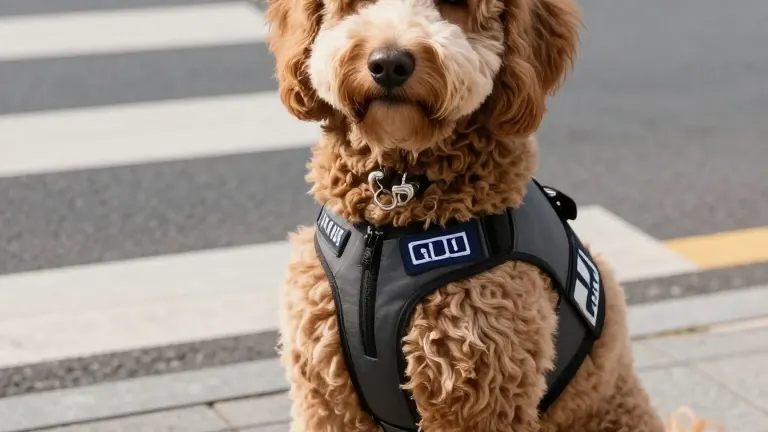
James Poggi, a Marine Corps veteran who served in aviation, is one of the veterans benefiting from these resources. Poggi underwent five back surgeries and a below-the-knee amputation due to accidents and spinal meningitis sustained during active duty. He now relies on a Goldendoodle named Teddy for daily support. Poggi described the dog as a "battle buddy" who helps him regain independence by retrieving items like keys and his cell phone.
Willis explained that the physical interaction with service dogs causes chemical changes in the body that provide emotional uplift. He said these animals help address both physical limitations and the mental strain of service. Willis acknowledged that while the government attempts to provide care, gaps remain in the support system for veterans dealing with trauma.
Research supports the utility of these animals for military personnel. A 2024 study found that service dogs are associated with lower rates of anxiety and depression in veterans with PTSD. A separate 2024 survey of approximately 600 veterans revealed that about 40% had never had a PTSD service dog but expressed interest in obtaining one. The VA is still studying the potential benefits of these interventions.
Poggi plans to resume his full-time job as a school crossing guard in Mascoutah, Illinois, with Teddy by his side next school year. The dog will accompany him to his assigned corner, providing both practical assistance and emotional stability. Poggi said he values the relationship with the dog highly, comparing his affection for Teddy to his love for his children.
More Business · Customer Complaints · Report a business · Got a Story?