Lawmakers Frame New Defense Budget as a Reduction in War Costs
Congressional leaders are describing the proposed spending increase as a cut relative to the initial presidential request, a strategy that has become common in recent defense debates.
By Charles Reed ·

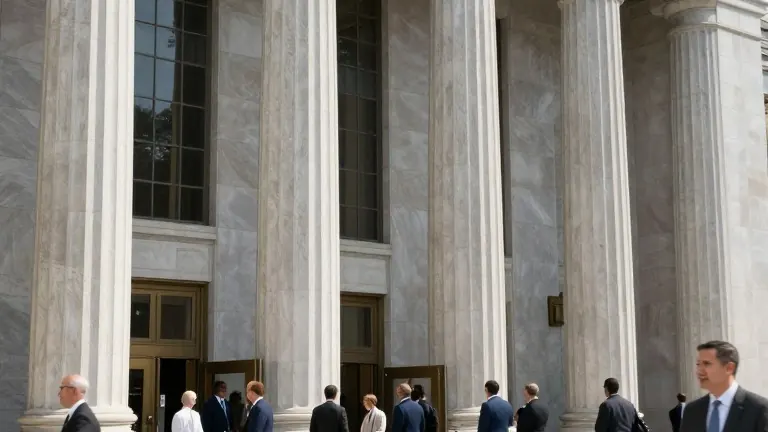
Members of the United States Congress are preparing to vote on a new military spending bill that increases the defense budget above last year's levels. The central conflict of the debate is how legislators explain this rise to constituents who face high costs for housing, healthcare, and education. While the total amount of money for war spending grows, many lawmakers are publicly arguing that the final figure represents a decrease compared to the president's original proposal.
This rhetorical strategy has become a standard tool in legislative negotiations. A lawmaker who votes for the bill can claim they negotiated a lower number than the executive branch requested. By framing the final vote as a reduction from the initial ask, representatives position themselves as fiscal hawks who restrained the president. This approach allows them to support higher spending while maintaining a narrative of cost-cutting. The tactic relies on the fact that the initial proposal is often inflated to leave room for negotiation.
The current budget cycle follows a pattern established over the past twenty-five years. In many instances, the final spending level ends up higher than the previous year's baseline. However, because it is lower than the specific number the president put forward at the start of the session, legislators can successfully describe the outcome as a cut. This method has proven effective in securing votes from members who need to show their base that they opposed the maximum possible increase. It creates a political shield that protects legislators from accusations of unchecked spending.
Other common justifications include pointing to specific provisions removed from the bill. Lawmakers often highlight the deletion of a controversial clause, such as a proposal to merge the U.S. and Israeli militaries, to satisfy peace advocates. They argue that the removal of this specific item was the primary goal of the vote. Another frequent tactic involves adding a humanitarian or environmental provision to the massive spending package. This allows representatives to claim they voted for a specific positive measure, such as supporting minority-owned surveillance companies, rather than for the general increase in weapons funding.
The timeline for the current bill shows that these negotiation tactics are already in play. The president has released an initial request that sets a high ceiling for spending. Congressional committees are now working to lower that number. The final vote will likely come after the budget is trimmed to a figure that is still higher than last year's total but lower than the initial request. This sequence ensures that supporters can claim a victory in reducing the president's plan while still approving a larger budget than in the previous fiscal year.
The next scheduled step is the floor vote on the amended bill. Lawmakers will use the specific numbers to justify their position. Those who vote yes will point to the difference between the final number and the president's original ask. They will frame this gap as evidence of their effectiveness in controlling costs. The vote will determine the final amount of money allocated to the Department of Defense for the coming fiscal year.
The process highlights a specific mechanism in U.S. politics. By setting an artificially high initial target, the executive branch allows the legislative branch to claim credit for reductions. This dynamic enables Congress to approve higher defense spending while maintaining a public image of restraint. The vote is expected to pass with bipartisan support, driven by these shared rhetorical strategies rather than a unified vision for defense policy.