Honda marks 44 years since first U.S. car built in Marysville
The 1982 production milestone in Ohio predates the major assembly operations of other Japanese automakers in the United States by nearly a decade.
By Mei Lin ·
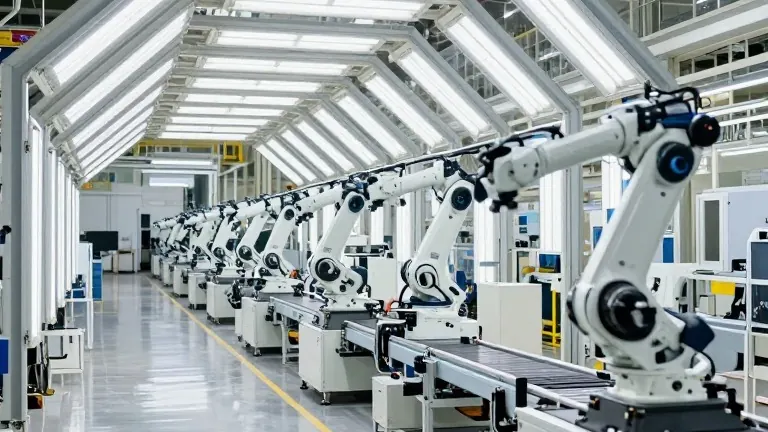
The Honda manufacturing plant in Marysville, Ohio, rolled off the line the first Japanese car produced in the United States on Nov. 1, 1982. That date marked the start of a permanent shift in American auto manufacturing, as foreign brands began building vehicles on U.S. soil rather than importing them from overseas.
For decades, the American automotive industry relied heavily on imports to meet demand for Japanese-made vehicles. The Marysville facility changed that dynamic by establishing a domestic production hub. This move allowed Honda to serve the U.S. market more efficiently and reduced the volume of vehicles crossing international borders.
The milestone occurred 44 years before this Sunday. The plant’s opening was a strategic response to trade tensions and a desire to establish a stronger physical presence in the American market. It set a precedent that other Japanese automakers would follow in the 1990s, when Toyota, Nissan, and Mazda opened their own U.S. assembly plants.
On this day in other years, history also records the inauguration of Michelangelo’s Sistine Chapel ceiling in 1512 and the devastating Lisbon earthquake in 1755. In 1938, Seabiscuit defeated War Admiral in the “Race of the Century” at Pimlico Race Course. More recently, the Maastricht Treaty took effect in 1993, establishing the European Union.
The current date, Nov. 1, 2026, is the 305th day of the year, with 60 days remaining. Notable figures born on this day include Apple CEO Tim Cook, who turns 66, and Golf Hall of Famer Gary Player, who is 91. Other individuals born on this date include musician Lyle Lovett and actor Toni Collette.
The legacy of the Marysville plant continues to influence the regional economy. The facility has produced millions of vehicles over the past four decades. Its establishment in Ohio demonstrated that Japanese manufacturing standards could be successfully replicated in a midwestern industrial setting.
No new major manufacturing milestones are scheduled for announcement today. The focus remains on the historical significance of the 1982 production start, which remains a key reference point for discussions about global supply chains and domestic manufacturing.
More Business · Customer Complaints · Report a business · Got a Story?