AI Selloff: Traders Buy Protection
Investors are purchasing put options and credit-default swaps to shield gains as tech stocks lose over $1 trillion in value.
By Charles Reed ·
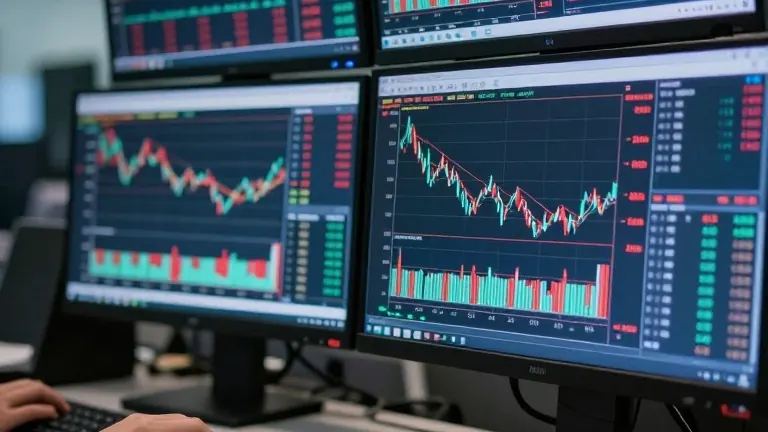
Investors in artificial intelligence are buying financial contracts to protect their portfolios from potential losses. This shift follows a sharp decline in technology stocks that erased more than $1 trillion in market value on Friday. Traders are using put options and credit-default swaps to limit downside risk while the sector faces rising costs and falling prices.
The trend emerged after a recent selloff in the broader market. The Nasdaq 100 index dropped 3.4%, and the S&P 500 fell 1.8% on Friday. The technology sector of the S&P 500 declined by more than 4.2%, according to NBC News reports from that day. These drops occurred alongside rising borrowing costs for data center projects and chip purchases.
Stephen Solaka, a senior vice president at Gateway Investment Advisers, stated that demand for downside protection is high. He noted that some investors have accumulated large gains and now prioritize preserving wealth over seeking further returns. Solaka said these individuals are quitting to hedge their stock, with some companies restricting employee trades during this period.
Trading data from Cboe Global Markets shows that put options tied to CoreWeave, an AI cloud infrastructure company, reached record levels in October. These options allow holders to sell shares at a predetermined price before a set date. Investors pay a premium for this protection, which caps potential losses if stock prices fall sharply.
Credit-default swaps are also seeing increased activity. These contracts insure against a borrower failing to repay debt. The cost of insuring against defaults for Amazon, Alphabet, Microsoft, Meta, and Oracle rose over the past month to its highest level since 2021. Eugene Grinberg, co-founder of bond data provider Solve, described this as a broad market concern rather than specific issues at individual companies.
Jump Trading has introduced new financial contracts for companies to hedge against a collapse in computing power prices. Firms renting out Nvidia chips can use these tools to lock in a minimum rental price. This strategy protects revenue if demand for AI computing power decreases.
AI companies continue to seek billions in funding for infrastructure development despite the market volatility. The current hedging activity differs from the 2008 financial crisis, as many technology shareholders are protecting existing gains rather than betting on a total market collapse.
More Business · Customer Complaints · Report a business · Got a Story?