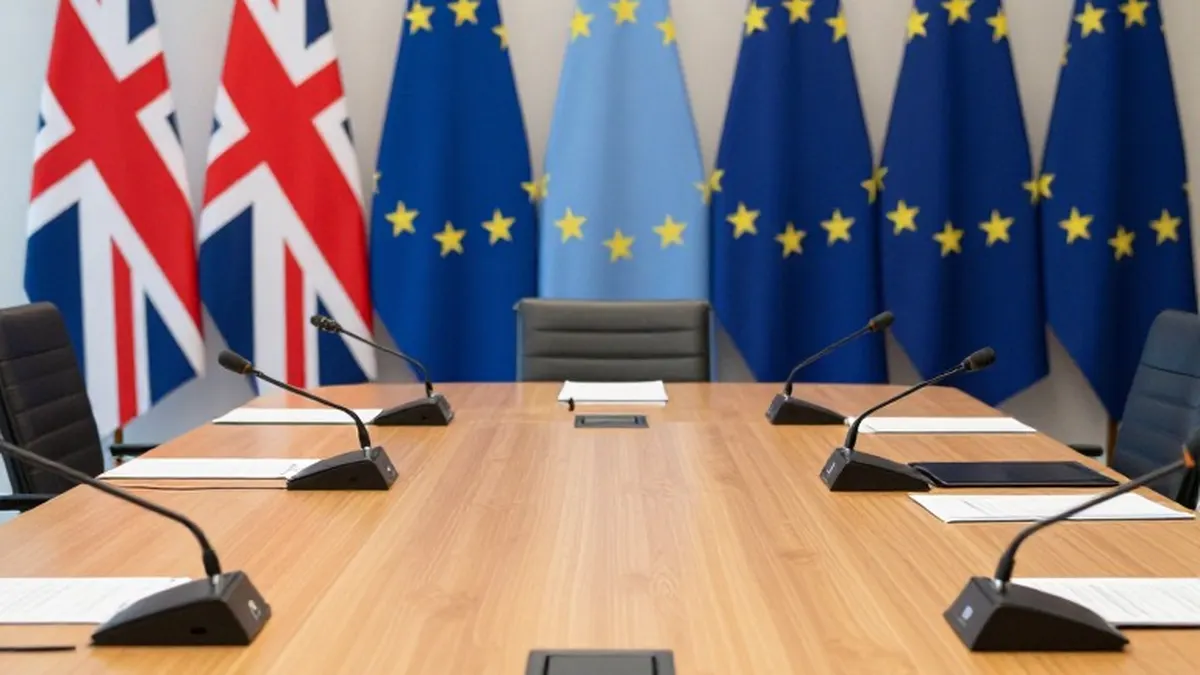
EU Hits Russian Banks With Sanctions as Ministers Call for Ceasefire
Brussels meeting ends with new financial penalties and a push for Ukraine security talks to include European advisers.
By Lucia Herrera ·
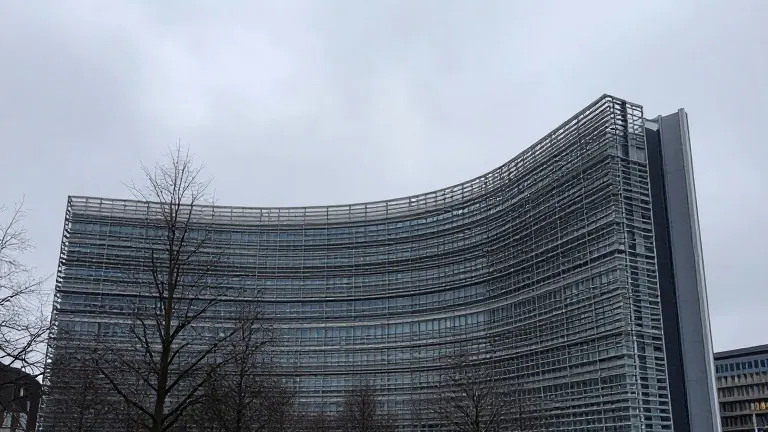
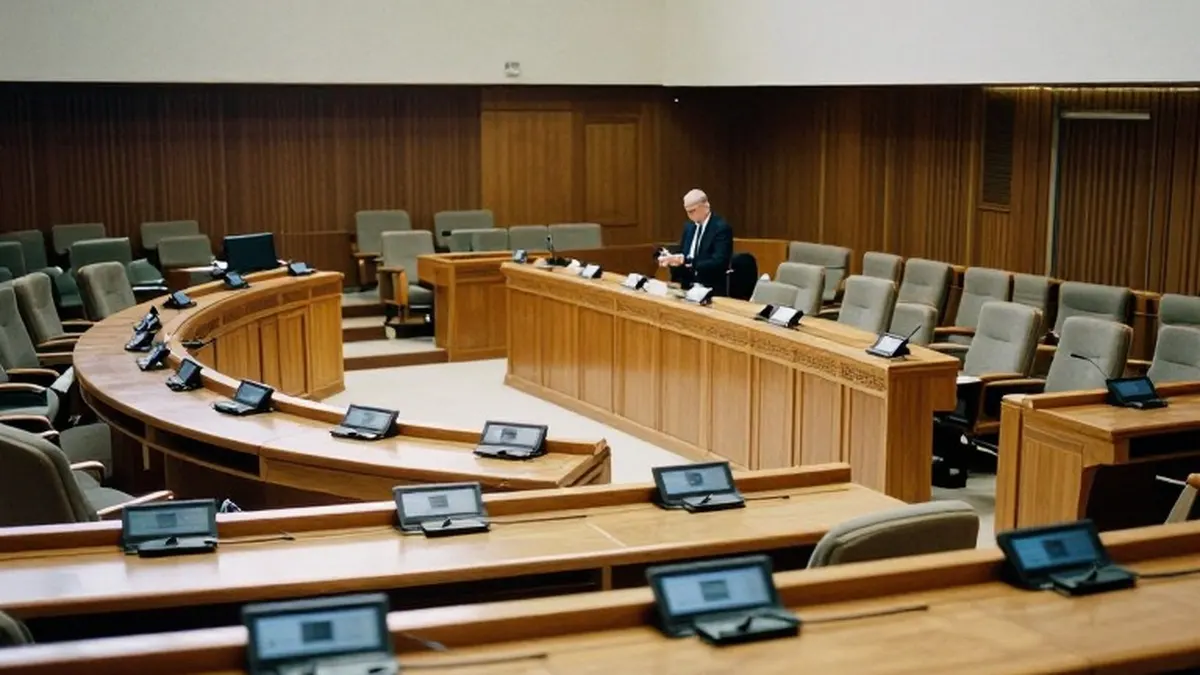
European Union foreign ministers gathered in Brussels on Monday to impose new sanctions on nearly 50 Russian banks and financial institutions. The bloc also targeted several businesspeople connected to the energy sector and the trade of oil and petroleum products. Additionally, dozens of individuals accused of spreading pro-Russian propaganda and disinformation received asset freezes and travel bans.
The meeting focused on the ongoing conflict in Ukraine, which has lasted nearly five years. Ministers argued that Russia is attempting to delay peace talks while continuing attacks on power plants and other infrastructure. They stated that these strikes make life harder for civilians as winter approaches. The group agreed that the immediate priority is to secure a ceasefire before moving toward a permanent peace agreement.
Kaja Kallas, the EU foreign policy chief, said the alliance needs to see a clear ceasefire. She noted that Russia is currently escalating the war despite starting it. Kallas described Russia's recent demand for a new European security framework as absurd. She pointed out that countries like the Czech Republic, Hungary, and Poland joined NATO in 1999 without attacking Russia, and she argued that the existing security architecture is sufficient.
Johann Wadephul, the German Foreign Minister, reinforced the view that Europe does not need a new security structure. He stated that the current architecture provides the foundation for any conceivable agreement. Wadephul emphasized that respect for the existing system is the key requirement from a European perspective.
Kęstutis Budrys, the Lithuanian Foreign Minister, agreed that a new framework is unnecessary. He told reporters that the problem is not the rules, but Russia breaking them. Budrys highlighted the need for a secure Ukraine and a strong trans-Atlantic bond. He added that Russia cannot be trusted to honor past agreements.
The European stance follows recent negotiations in Abu Dhabi where the United States encouraged Ukraine and its backers to consider a Russian demand for a new security framework. U.S. negotiators Jared Kushner and Steve Witkoff have mediated talks for just over a year, though no lasting ceasefire has been reached. Major differences remain over territory control and future security arrangements. The only tangible progress so far has been the exchange of prisoners.
EU leaders agreed last week in Dublin that a team of security advisers from France, Germany, the U.K., Italy, and Poland, along with senior EU officials, should represent Europe in future talks. The bloc acknowledged that as major backers of Ukraine, it cannot act as a mediator. Its role will focus on security arrangements, reconstruction, and Ukraine's future, while Ukraine retains the final say on sovereignty matters.
More World · Philadelphia news · Report a business · Got a Story?