Taylor Barracks to Receive Kentucky Historical Marker in 2027
The site in Old Louisville, which served as a hub for Black Union soldiers during the Civil War, will be recognized by the state after a 150-year gap in public acknowledgment.
By Charles Reed ·
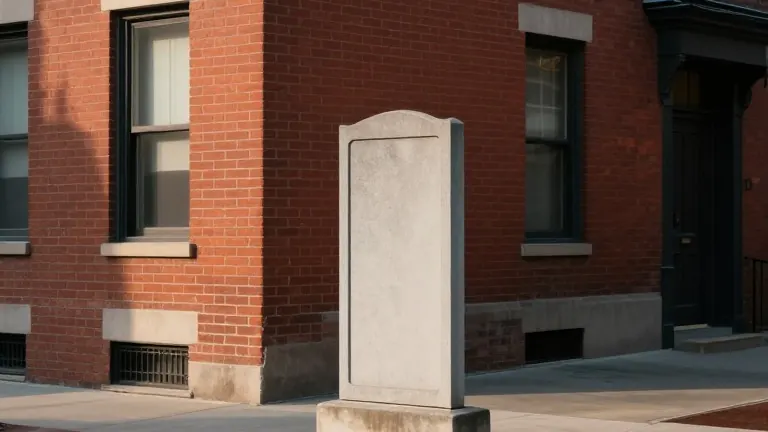
Jacqueline Hudson, curator of the Black Experience Archive at the Filson Historical Society, successfully secured state approval for a historical marker dedicated to Taylor Barracks. The decision was announced Thursday at the Filson, marking the culmination of a research project that began in 2025. This is the fourth historical marker Hudson has helped secure from a state government, and it is her first in Kentucky. The physical marker is not expected to be installed until 2027, potentially coinciding with Juneteenth or Veterans Day.
The barracks, located in what is now the Old Louisville neighborhood, operated in the final years of the Civil War. It housed Black Union soldiers who enlisted in the army in exchange for the promise of legal freedom for themselves and their families. According to Patrick Lewis, president of the Filson, thousands of men came to the site. Lewis noted that the Confederate cause was eroding with every enlistment, as the institution of slavery lost ground one soldier at a time.
The site was not merely a military staging area. Records indicate the wooden structures contained a hospital ward, laundry services, and a school. These facilities provided a foundation for education and civic participation for the residents. Lewis described the location as a place of service, struggle, liberation, and joy, emphasizing the comprehensive nature of the community that formed there.
The push for the marker was sparked by a 2025 inquiry from Michelle Kadikan, a resident of Old Louisville. Kadikan contacted Louisville Public Media after seeing online references to the site. She expressed curiosity about the local history and wanted to learn more about the barracks in her neighborhood. Her question prompted a deeper investigation into the primary sources and archival records.
Lewis first encountered the site while studying a hand-drawn map recovered from the body of a Confederate scout. The diagram targeted the area for attack, specifically circling the 'negro barracks.' Lewis explained that the site was singled out for its military importance and the events occurring inside, which represented a direct challenge to the Confederate war effort.
Hudson views the marker as a way to connect residents with their local history. She aims to encourage individuals to visit institutions like the Filson or explore their own heritage. Hudson noted that these markers serve as reminders that history is present in the immediate environment. She hopes the recognition will help showcase the full range of Black history, including its joys and triumphs, on public sidewalks and in museums.
While the installation is slated for 2027, Hudson plans to continue researching specific recruits who passed through the barracks. This additional work aims to provide a more detailed account of the individuals who lived and worked at the site. Kadikan, who could not attend the announcement, said she was excited to see the marker installed in her neighborhood.