SpaceX Starship reaches orbit, deploys 26 Starlink satellites on 15th flight
The first stage diverted to the Gulf of Mexico due to an unspecified issue, preventing a planned tower catch.
By Lucia Herrera ·
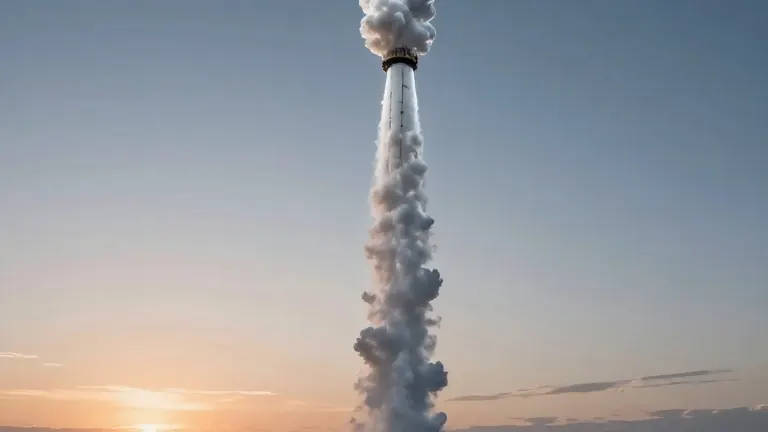
SpaceX completed the 15th flight of its Starship rocket system on Friday, marking the second time the vehicle has reached low-Earth orbit. The launch occurred in the early evening at Starbase in South Texas, where calm winds allowed the engine plume to remain visible for minutes after ignition.
The primary objective of the mission was the deployment of 26 Starlink V3 satellites. These satellites, which feature solar panels measuring 60 meters in length when deployed, exited the spacecraft through a narrow door at its base. The release took place approximately 40 minutes into the flight. All 26 units successfully entered orbit and will use onboard propulsion to raise their altitude.
The upper stage of the rocket ignited its Raptor engines after the first stage separated above the Gulf of Mexico. The vehicle then powered its way into a nominal orbit. This milestone confirms Starship as an operational orbital launch system, currently the largest and most powerful machine humans have sent to space.
The return of the first-stage booster did not proceed as planned. Instead of flying back to the Starbase facility, the vehicle was commanded to divert into the Gulf. This decision followed an unspecified issue during the descent phase. The booster impacted the water, creating an explosion visible to observers more than 10 miles away.
This outcome complicates the company’s immediate goal of reusing the latest version of the vehicle. SpaceX has previously landed and reflown earlier iterations of the Starship booster. However, the company has not yet achieved a landing and refly cycle with version 3, the current model used in Friday’s test.
The successful satellite deployment establishes the vehicle’s capacity for commercial payload delivery. The next step for the program is to resolve the issues affecting the booster return and to increase the flight rate. This will allow the company to test the vehicle’s reusability under operational conditions.
SpaceX has indicated that a possible catch attempt is scheduled for Saturday. This follow-up maneuver will determine if the company can stabilize the booster return process. The result will influence the timeline for integrating the booster into the regular launch cadence.
More Business · Customer Complaints · Report a business · Got a Story?