
Canary Islands declare emergency as migrant arrivals hit record high
Spain has declared a migration emergency in the Canary Islands following the arrival of over 9,000 people since early November, setting a new record for the region.
By News Media House Staff ·
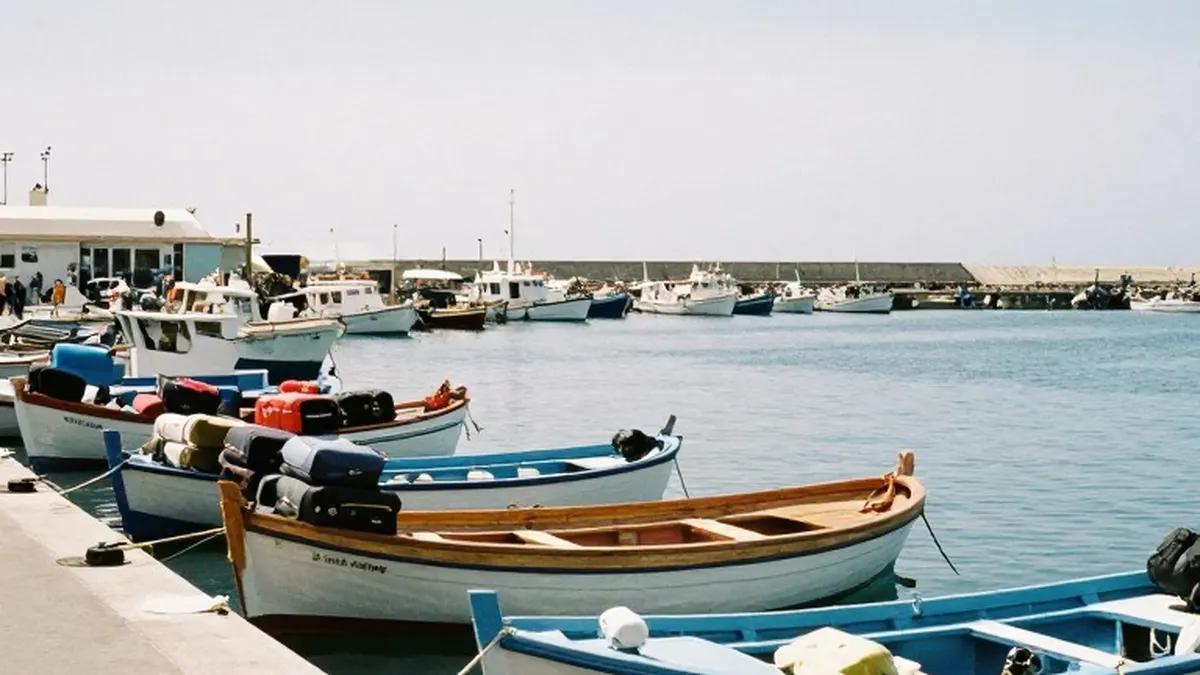
Spain has officially declared a migration emergency in the Canary Islands after more than 9,000 individuals arrived in the Atlantic Ocean territory since the beginning of November. The surge in arrivals has prompted swift governmental action as authorities work to manage the influx of people seeking to enter Europe from West Africa.
The Spanish Maritime Rescue Service reported that it rescued 1,488 migrants aboard 14 small boats, known locally as pirogues, on Saturday. Most of these individuals reached the island of El Hierro from West Africa. This single day of rescues surpassed the previous record of 1,461 people, which had been set in November 2020.
In response to the situation, Angel Victor Torres, Spain’s Minister of Territorial Policy, traveled to El Hierro on Sunday to assess the conditions and discuss the sudden increase in arrivals. The visit underscores the urgency with which the Spanish government is treating the crisis in its Atlantic territory.
Bernard Smith, a correspondent for Al Jazeera reporting from El Hierro, noted that the volume of arrivals this year marks a significant milestone. He stated that the figures represent a record in the 32 years since such statistics have been systematically collected. Smith added that the number of arrivals continued to rise through Sunday afternoon, with new arrivals being processed at the port before being transferred to reception centers and other islands or the Spanish mainland.
The current arrivals occur against the backdrop of the European Union’s new Pact on Migration and Asylum, which officially entered into force on June 12, 2026. This legislative framework introduced what are described as firm and fair rules for handling asylum requests, representing the most comprehensive overhaul of EU border and asylum laws in decades. Despite these new regulations, Smith observed that EU states remain under pressure to control migration from Africa and other regions outside the union, and the new rules have not halted the flow of migrants to Spain.
The pressure on Spain’s borders was further highlighted last month when the country deported more than a dozen individuals from its North African enclave of Ceuta. In late July, approximately 80,000 people crossed from Morocco into Ceuta over a 48-hour period. The autonomous city, which covers only 18.5 square kilometers and has a resident population of about 80,000, witnessed at least 100 deaths during that mass crossing.
Most of the migrants arriving in El Hierro depart from West Africa, with Senegal being a common point of origin. They undertake the journey with the hope of reaching mainland Europe, often risking their lives in small and overcrowded vessels. Authorities noted that one boat rescued on Saturday was carrying 240 people, including 12 women and 36 children.
The International Organization for Migration recorded at least 450 deaths on the Western African Atlantic route during the first ten months of 2026. Nicolas Haque, another Al Jazeera correspondent reporting from Dakar, described the journey as treacherous. He explained that favorable weather conditions in the Atlantic have made departures from the African coastline easier in recent years.
Haque added that when the weather permits, the boats set sail. Migrants typically use wooden fishing vessels called pirogues, in which up to 100 people are packed for a voyage that can last up to a week. These conditions highlight the persistent challenges faced by those navigating one of the world's most dangerous migration routes.
Originally published by News Media House