Londoners Revive Medieval Games From Stoolball to Hnefatafl
From ice skating on the Thames to verbal duels in verse, residents are engaging with sports and pastimes that date back centuries.
By Lucia Herrera ·
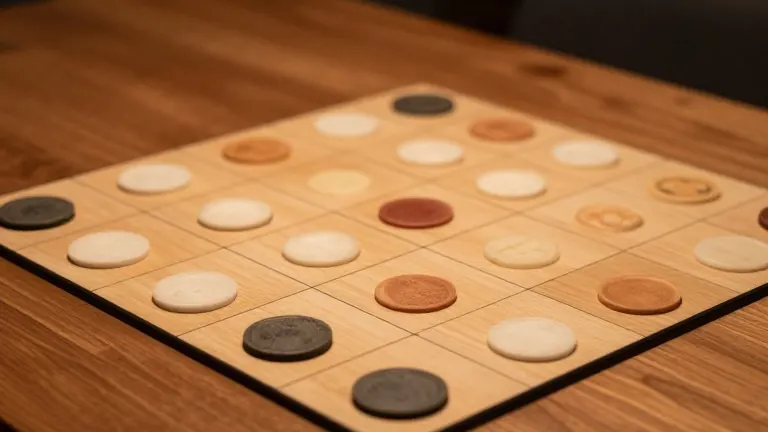
A 9x9 grid of squares forms the center of a strategy game known as hnefatafl, a pastime that has persisted from the medieval era to the present day. The board holds 16 dark pieces and eight light pieces, along with a single king piece that is typically taller and gold in color. Participants in London are currently playing this game, which is pronounced NEFF-ah-tah-fell, as part of a wider trend to engage with historical sports and hobbies.
The roots of many of these activities lie in the Middle Ages, when physical preparation for war was a duty for all men. Men were required to maintain their archery skills, while combat sports like wrestling and jousting simulated battlefield conditions. Other pastimes served to display wealth and status, such as hunting, which required extensive land and time. These historical roots continue to influence how Londoners approach these games today.
One specific example of a medieval game making a return is stoolball. The sport saw a resurgence during and after World War I when it was adapted for injured soldiers. Major W. W. Grantham organized matches to provide equipment for hospitals, believing the game offered stimulating exercise without being too violent. In September 1917, an exhibition match was held at Lord's Cricket Ground between a team of wounded officers and a group called Ye Anciente Lawyers. Grantham scored 30 not out, leading his team to a 22-run victory.
Verbal contests also have deep historical ties to the region. Flyting, a form of verbal duel involving the exchange of elaborate taunts in verse, dates back to the 5th Century. This practice is found in Scottish, English, and Norse traditions. Modern participants in poetry slams and rap battles can trace their art forms back to these earlier oral traditions of insult exchange.
Board games offer another avenue for historical engagement. Hnefatafl, also known as Viking chess, involves unequal sides with different objectives. The defending light side must move the king to a corner of the board, while the attacking dark side aims to capture the king before he escapes. Players can find board game nights in London where they can bring their own sets, or they can play the game online.
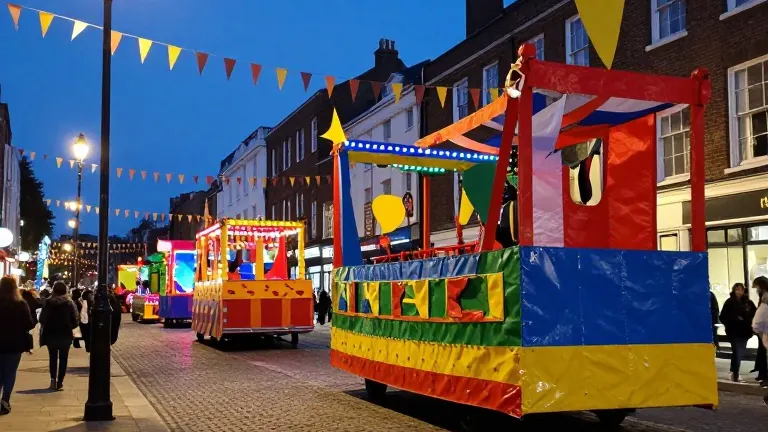
Mob football, another ancient pastime, was characterized by chaotic gameplay and a lack of strict rules. The objective was to move a ball, often an inflated pig's bladder, to a target that could be miles away. The game was so disruptive that monarchs and local authorities banned it several times. Matches were traditionally held on Shrove Tuesday, a day known to Londoners as Football Day. Today, enthusiasts can experience similar chaos in Oxford Circus or travel to Ashbourne in Derbyshire for the Royal Shrovetide Football match.
Combat sports continue to be practiced in modern London. Quarterstaff combat, or stick-fighting, is taught by groups like the Fleur De Lis theatre company, which runs workshops in stage combat. Participants learn to wield a 6 ft wooden staff using shortform or longform techniques. The London Historical Fencing Club also offers classes in various sword styles, including Longsword, Rapier, Sabre, and Smallsword.
Pall-mall, the predecessor to croquet, derived its name from Italian words for ball and mallet. The game involved striking a boxwood ball through a high iron arch. One famous alley for this game was located in St. James's Park, which gave its name to the current street. Londoners now play croquet at various clubs, continuing a tradition that stretches back to these medieval alleys.
More Culture · Philadelphia news · Report a business · Got a Story?