Holiday pressure exposes financial and emotional gaps for many
The seasonal push for perfection often masks the grief, anxiety, and budget constraints that families face during the winter break.
By Charles Reed ·

The gap between the idealized image of the holidays and the reality of many families creates a specific type of seasonal stress. While cultural markers suggest a time of universal joy, individuals often feel they are failing to match that standard. This discrepancy can intensify feelings of loneliness and financial strain.
The season of abundance frequently reveals how little money remains after essential bills are paid. Simultaneously, family gatherings can become painful reminders of absent loved ones. The expectation that everyone should be happy during this time adds pressure on those managing illness, anxiety, or ongoing family conflicts. These burdens carry over from October into December, persisting despite the cheerful decorations that appear in public spaces.
The Gulf Coast region offers a local perspective on this dynamic. Residents there may wear sandals while commercial displays feature figures in scarves. Yet, the local population recognizes the underlying longing for warmth and belonging that those displays represent. In times of uncertainty, this desire for stability grows stronger. Worries about the wider world influence daily activities, such as grocery shopping and meal planning.
Families often arrive at the same table carrying different fears and divided views on deep values. Navigating these differences requires a practice of grace toward those directly present. This approach involves allowing guests to decline invitations without demanding explanations. It also means welcoming attendees without questioning their relationship status, family plans, or career changes.
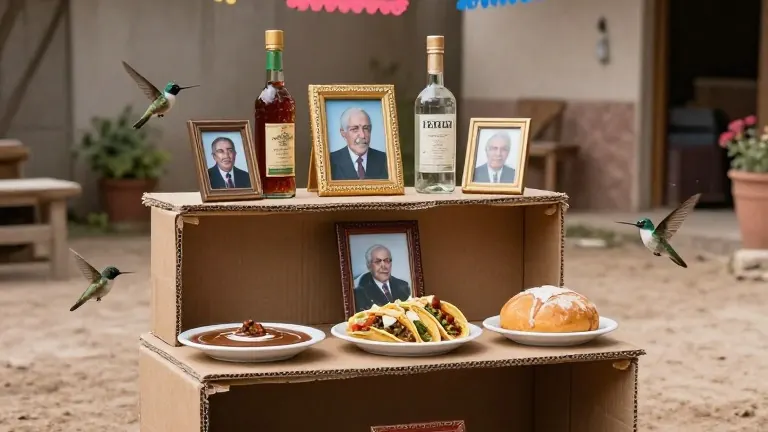
Small interactions can signal this grace. Observing that a guest seems quiet is different from asking them why they are there. Welcoming a person by saying they are glad they are present offers a clearer invitation than vague suggestions to meet later. For those grieving, love may involve speaking the name of the deceased, which can ease the isolation of loss. For those facing financial hurdles, an invitation that requires no gift or contribution reduces the burden of attendance.
Setting boundaries is also part of practicing care. Individuals do not have to endure difficult relationships for the sake of a photograph. Shorter visits or firm limits can create more peace. A simple meal and modest decorations are acceptable ways to mark the season. The goal is to make room for people, ask rather than assume, and offer specific support after the gathering ends.