Former Detective Inspected for Abuse Lied About Wife's Death, Family Says
Rebekah Arter died in Barbados in 2024; new accounts detail conflicting stories from Warren Arter and failures in evidence preservation.
By Charles Reed ·
Residents of Bucks County who follow national police reform efforts may find the latest reporting on the death of Rebekah Arter particularly instructive. The case involves a former Metropolitan Police detective who died in custody, leaving questions about his wife’s death in Barbados unresolved for her family. New interviews with hotel staff and relatives have surfaced regarding the circumstances surrounding her passing in June 2024.
Warren Arter, then 54, met Rebekah in 2006 while investigating her domestic abuse complaint. He later became her husband and, according to family members, subjected her to over a decade of abuse. After Arter took his own life in HMP Wandsworth in late 2024, his family has publicly stated that he provided inconsistent accounts to hotel staff and relatives about how Rebekah died. These conflicting stories ranged from her choking or falling to him waking up and finding her dead.
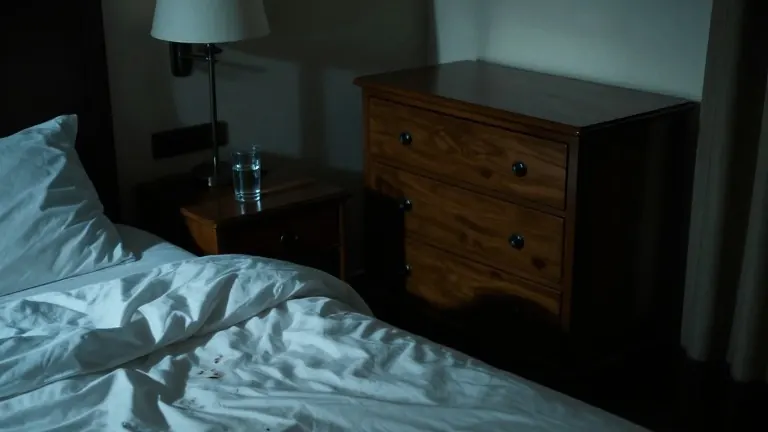
Staff at the O2 Beach Club in Barbados reported that Arter behaved suspiciously on the night of the incident. Andrew, a security guard at the hotel, described Arter’s conduct as erratic, noting that the detective attempted to leave the room before emergency services arrived. Andrew stated that Arter performed CPR on a body that already showed signs of death, such as blue lips. The staff member also noted that Arter gave different explanations to different people, initially claiming a fall near a chest of drawers, which contradicted the position of the body found near the kitchen.
Forensic evidence from Barbados was significantly compromised. A UK coroner’s inquest recorded an open verdict, noting that vital toxicology and histology tests were never conducted. Furthermore, a pathologist in Barbados chopped Rebekah’s organs into small pieces, a procedure a UK pathologist described as serving no medical purpose and destroying key evidence. The coroner, Andrew Harris, said these failures raised the prospect of deliberate concealment. He concluded that intoxication was likely involved and that unlawful killing could not be ruled out, though he rejected the Barbadian determination of aspiration pneumonitis.
The Metropolitan Police did not send detectives to Barbados despite a request from Rebekah’s family. A Met spokesperson explained that no formal allegation of criminality had been made at the time of the decision. In the UK, Arter’s son Elliot and daughter-in-law Lacey visited the couple’s home and found hidden CCTV cameras, drugs, and photographs of Rebekah that appeared to be taken without her consent. They reported the death to Bexleyheath Police Station, where staff initially treated it as a Barbadian issue before senior officers arrived upon hearing Arter’s name.
Arter had been suspended from the Met for seven years and was investigated by the Independent Office for Police Conduct over his conduct toward eight alleged victims. He was dismissed in 2023 for drug offenses but had continued to receive his full salary during his suspension. The case highlights the challenges families face when a police officer is involved in a death abroad, particularly when local authorities and home country police differ on the necessity of intervention.
More News · Philadelphia news · Report a business · Got a Story?