Delegates Begin COP31 Negotiations as 1.5 Degree Limit Proven Unattainable
Leaders in Antalya face the first summit where scientific consensus confirms the Paris Agreement temperature goal has been missed, even as energy costs rise.
By Charles Reed ·
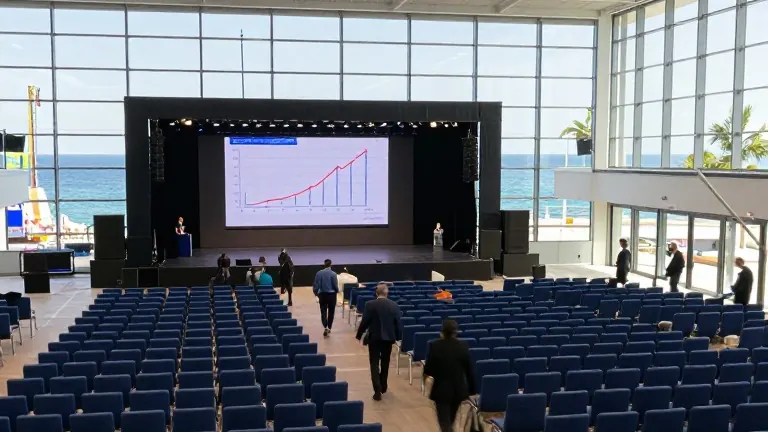
Negotiations opened on Monday in Antalya, Turkey, for the 31st Conference of the Parties, the annual United Nations climate summit. The gathering marks the first time delegates have convened with the clear scientific understanding that global average temperatures will exceed the 1.5 Celsius threshold above pre-industrial levels. That specific target was established in the 2015 Paris Agreement and has served as the central benchmark for international climate policy for the past decade.
Turkish Environment Minister Murat Kurum, who serves as the summit president, addressed the shift in expectations on the opening day. He stated that the world will now overshoot the 1.5 degree target. Kurum emphasized that the leadership would maintain high ambitions despite the changed reality. He argued that the priority must shift from setting new goals to implementing existing promises. His administration has launched an Action Agenda focused on reducing methane emissions and building climate-resilient cities.
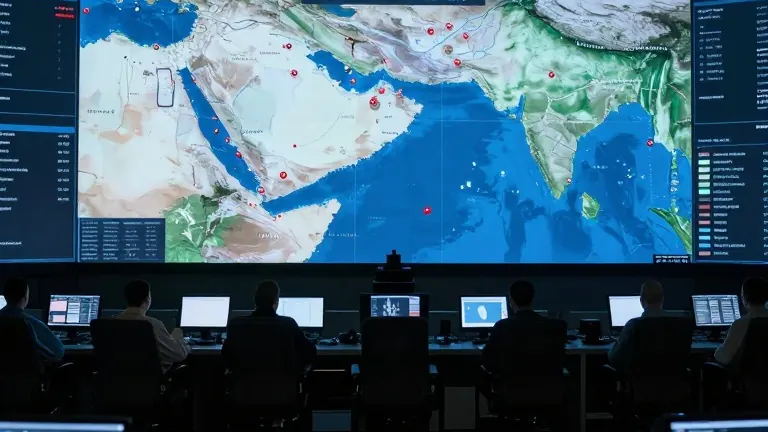
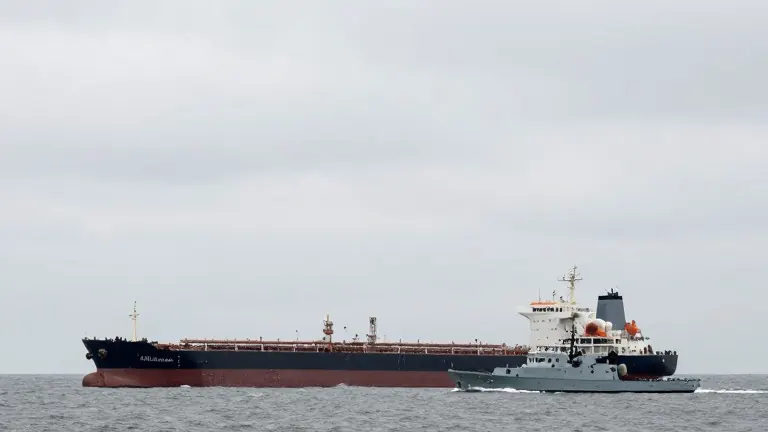
A primary objective of the talks is the electrification of energy systems. The summit aims to increase the share of electricity in global energy use from 21% to 35% by 2035. Delegates intend to prioritize renewable sources such as wind and solar power to reduce greenhouse gas emissions. This focus comes as the war in Iran has closed the Strait of Hormuz, disrupting oil and gas supplies. The resulting price increases for fuel and agricultural products have forced governments to reevaluate their energy strategies.
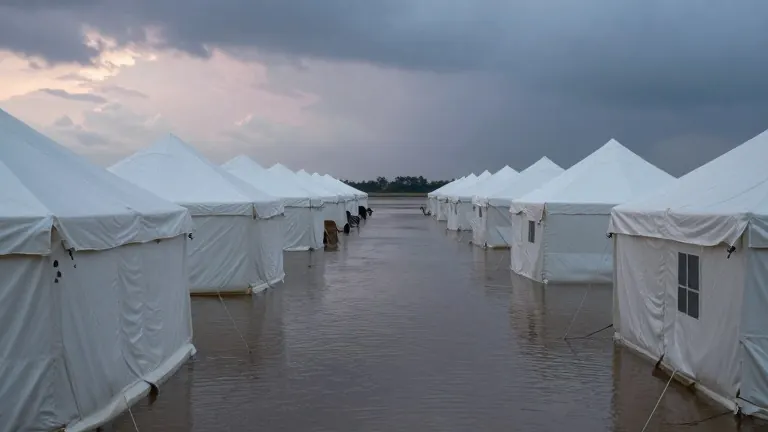
The summit carries a sense of urgency due to recent climate impacts. Rising temperatures have contributed to deadly heat waves across Europe and severe flooding in Nepal. Delegates must also address the financial burden on poorer nations. They are expected to negotiate support for these countries as they adapt to extreme weather and transition away from fossil fuels. The last two summits, held in Brazil and Azerbaijan, faced criticism for vague final texts that failed to explicitly mention fossil fuels.
The United States, the second-largest global polluter behind China, is not participating in the negotiations. President Donald Trump withdrew the nation from climate talks when he took office for a second term in January 2025. Simon Stiell, the executive secretary of the UN Climate Change framework, noted that no single summit can resolve the crisis alone. He added that recent conferences have made necessary progress and that Antalya would continue that work.
The event is being jointly organized by Turkey and Australia. Turkey holds the official host title, while Australia leads the negotiating process. This arrangement was a compromise after both countries competed to host the summit. Critics have noted that both nations rely heavily on coal-fired power. Negotiations are scheduled to continue until November 20.