Butembo Doctor Survives Ebola and Now Fights Local Mistrust
Dr. Raymond Kasereka Kamwanga spent 13 days in an isolation unit and is now using his experience to educate neighbors in the DRC.
By Charles Reed ·
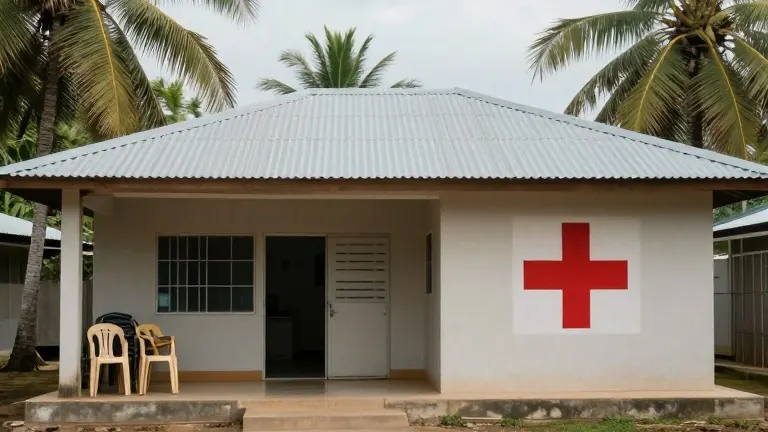
Dr. Raymond Kasereka Kamwanga is writing a book about his survival of Ebola. The 30-year-old physician contracted the virus in July in Butembo, Democratic Republic of Congo. He spent 13 days in an isolation unit before returning home. He is now using his story to counter fear and misinformation in his community.
Kamwanga works at Katwa Hospital in Butembo, North Kivu province. The region is the epicenter of the current outbreak. The World Health Organization declared the crisis a public health emergency of international concern two months before Kamwanga fell ill. Since then, 11,000 people have been infected and 5,400 have died. This makes it the second-most deadly outbreak ever recorded.
Kamwanga believes he caught the virus from a patient. He initially experienced a bitter taste in his mouth, headaches, and malaise. He tested negative initially and went home. Butembo lacks rapid testing equipment, so samples must travel to Beni, 54 kilometers north. Poor road conditions mean this trip takes 48 to 72 hours. By the fourth day, his symptoms included vomiting and diarrhea.
He told his family he needed to go to the Ebola treatment center. His 50-year-old mother, Masika Ndungo, wept. She called the facility a death house because many patients do not recover. She asked him why he was choosing to die there. Kamwanga knew staying home was risky. He walked to the center and refused to use the main entrance. Colleagues in protective gear isolated him.
The current outbreak involves the Bundibugyo species of the virus. There is no approved vaccine or specific treatment. Doctors manage symptoms such as severe vomiting and diarrhea. Kamwanga struggled to stay hydrated. He watched other patients die while he waited in his bed. He kept his spirits up by watching movies and scrolling through TikTok on his phone.
When he was discharged, his family welcomed him but kept their distance. Ndungo said they were afraid. For 21 days, the incubation period, Kamwanga lived separately in another part of the crowded family home. He saw his family only from afar when picking up meals. Neighbor Kavugho Sifa said they prayed for his protection. Sifa noted that seeing him return in good health helped change their perception of the disease.
Kamwanga started writing his book, The Price of Saving Lives, one week after recovering. He is not finished yet. He uses a draft during awareness sessions to show residents photos of his illness. He aims to prove the disease is real and treatable. Some residents view outreach campaigns as a way for humanitarian groups to profit from donor funds.
Mistrust is fueled by poverty and years of armed conflict. Kamwanga notes that some people believe Ebola is a tool for authorities to threaten a vulnerable population. He receives death threats on his phone. Some residents accuse him of being paid to spread information. He agrees with a recent report by Médecins Sans Frontières that Ebola funds are being misappropriated. He says there is not enough protective equipment.
Kamwanga believes the government is taking the crisis lightly. He remains determined to continue his work despite the obstacles. He states that they must continue to do what they can with the limited resources available.
More News · Philadelphia news · Report a business · Got a Story?