AI stocks drag markets down
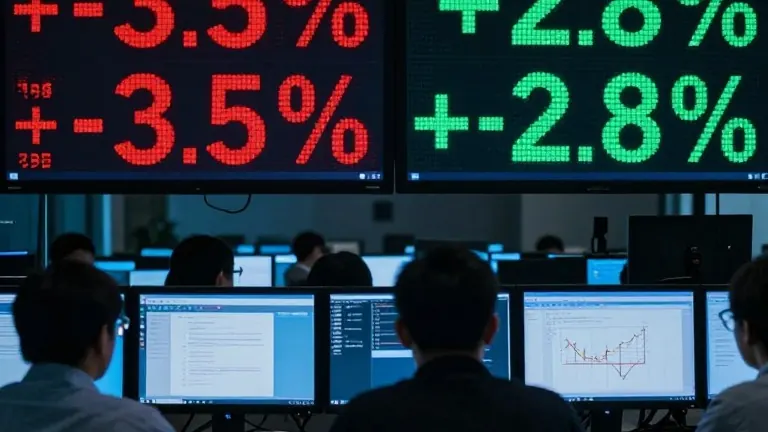
The S&P 500 dropped 4.4% on Thursday, marking its steepest decline since April 2025, as investors reacted to rising costs and post-election political risks for data center projects.
By Lucia Herrera ·

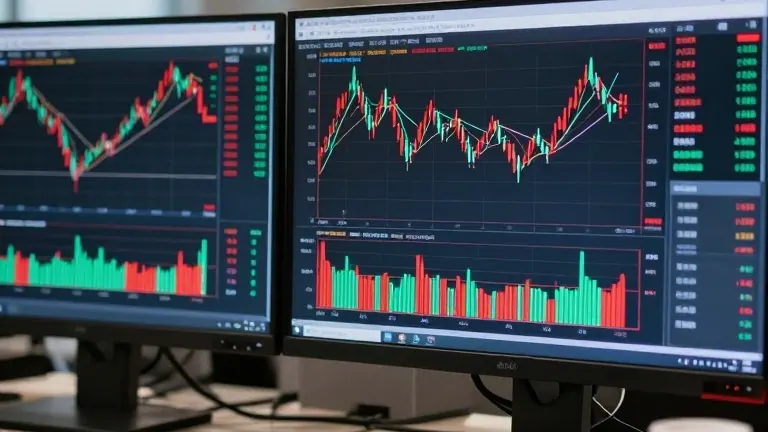
Investors in Bucks County and across the nation saw the value of their portfolios shrink sharply on Thursday. The S&P 500 lost 334.89 points, closing at 7,353.73. This 4.4% drop represents the worst single-day performance for the index since President Donald Trump introduced his tariffs in April 2025. The Dow Jones Industrial Average fell 1,833.06 points to 51,523.06, while the Nasdaq composite, which holds many technology stocks, plunged 1,421.52 points to 24,315.00.
The sell-off targeted companies building artificial intelligence infrastructure. The Nasdaq now sits 11.9% below its all-time high set last month. A decline of more than 10% from a peak is technically classified as a correction. Market anxiety stems from the high cost of borrowing money, which makes the construction of new AI data centers more expensive. Critics have also argued that valuations for these companies had become inflated.
Tuesday’s midterm elections added a layer of political uncertainty to the financial picture. Democrats won key positions nationwide, raising the prospect that new governments might pause data center construction. Voters across the political spectrum have expressed concern over rising utility bills caused by the energy demands of these facilities. Any delay in building new data centers would reduce demand for AI chips, electricity, and other services that currently drive a large portion of U.S. economic growth.
Nvidia, the chipmaker that has become synonymous with the AI boom, led the losses in the S&P 500. Its shares fell 9.3% on Thursday. The company is now down 2.6% for the year, reversing some of the massive gains it posted in the previous three years, which included increases of 39%, 171%, and 239%. Advanced Micro Devices saw a steeper drop of 17.3%. CoreWeave, which rents out AI computing power, fell 9.8%, and GE Vernova, a supplier of power equipment for data centers, sank 7.5%.
The magnitude of these moves matters because these tech firms now make up a large portion of the U.S. stock market. A 1% shift in Nvidia’s stock price has a larger impact on the S&P 500 than a similar move in almost any other American company. This concentration means that volatility in the AI sector can sway the entire index.
Global markets felt the pressure as well. South Korea’s Kospi index tumbled 5.3%, and Japan’s Nikkei 225 fell 1.8% on tech stock weakness. In Europe, London’s FTSE 100 dipped 0.4% after the Bank of England raised its main interest rate for the first time in three years. Bank Governor Andrew Bailey stated that future rate decisions will depend largely on the resolution of the conflict in Iran, which has pushed oil prices and global inflation higher.
Not all stocks fell. AppLovin, a marketing platform, jumped 31% after reporting revenue and profits that exceeded analyst estimates. The company’s board approved a share buyback program worth up to $3.2 billion, bringing the total potential value of the program to $3.6 billion. Tapestry, the parent company of Coach and Kate Spade, rose 7.1% after beating profit expectations and raising its forecasts for the current fiscal year.
In other asset classes, oil prices rebounded. A barrel of Brent crude rose 3.9% to $98.29, recovering part of its nearly 9% drop from the day before. Investors continue to monitor the war in Iran and its effect on global energy supplies. In the bond market, the yield on the 10-year Treasury fell to 4.84% from 4.90% late Wednesday. It had stood at 4.95% on election night and above 5.30% last month, suggesting a shift toward safer assets as equity prices drop.
These market moves occurred despite positive economic data. Fewer U.S. workers applied for unemployment benefits last week than expected. A separate report indicated that worker productivity improved more than economists had projected during the summer. This productivity gain could help the economy grow without adding further pressure to inflation, which remains a central concern for monetary policy makers.
More Business · Customer Complaints · Report a business · Got a Story?