
Aging Untold experts advise caregivers to manage stress and preserve dignity during tense exchanges
Gerontologists and coaches outline specific tactics for de-escalating conflict and maintaining self-control when caring for a loved one.
By Lucia Herrera ·
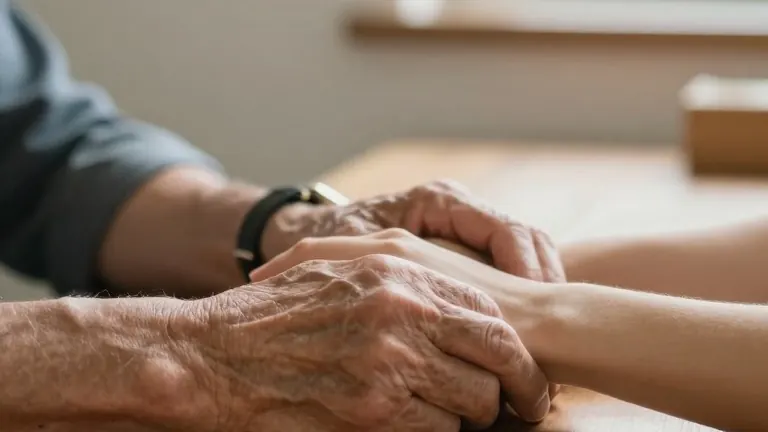
Stress can cause caregivers to use sharp language with the people they love.
Experts from the television program Aging Untold shared strategies for communicating in a way that preserves dignity and encourages cooperation. The group included gerontologist Sam Cradduck, aging well coach Katherine Ambrose, aging expert Amy O'Rourke, and board-certified physician Dr. Rhea Rogers. They addressed how to handle conversations that risk becoming heated.
Cradduck advised that the primary response to a rising argument is to leave the room. She told viewers, "You have to step away. You really do. You've got to let yourself calm down." Ambrose agreed, noting that caregivers should watch for physical signs such as feeling hot, shaky, or having a tense jaw. She described these sensations as the nervous system reaching its limit. Ambrose suggested that recognizing these signals allows a caregiver to remove themselves or call for help before the situation worsens.
The experts emphasized viewing the behavior of the person receiving care as a signal of their internal state rather than a personal attack. Cradduck explained, "Their communication is really behavior. You've got to figure out what's going on that's causing the frustration." She warned that unspoken expectations often turn into spoken resentment. This dynamic can lead a caregiver to yell while the other person remains unaware of the specific issue. Cradduck noted that even a person who is cognitively sound will not know what a caregiver wants if the expectation was never stated.
Word choice and tone play a major role in how a message is received. O'Rourke identified several words that tend to escalate tension, including no, you, always, never, don't, and you can't. Cradduck added that tone is as important as vocabulary. She stated, "It's not just what you say, it's how you say it." Ambrose agreed, adding, "If you want to have a better day, have a better tone." She attributed most drama and conflict to miscommunication, urging caregivers to manage their own emotional responses.
O'Rourke shared a personal example from a visit to her father in a nursing home. He was upset about a missing wheelchair key, and staff members were frustrated with his reaction. O'Rourke used a spare key to unlock the chair. Although her heart rate increased, she chose to stay with her father in the moment rather than insisting on being right. She said, "But then I realized, I don't have to be right. I can let go and be with him where he is." Rogers added that misunderstandings often cause people to second-guess themselves, which can lead to anger. She noted that caregivers can feel just as distraught as the individuals they are helping.
The group also discussed the role of negative self-talk and venting. Ambrose observed that online support groups often contain low-level energy from complaints about the person being cared for. She said this type of drama can increase a caregiver's misery. Cradduck, however, viewed these groups as a safe place to vent before entering a difficult conversation. She explained that negative thoughts, such as believing a person never listens, often lead to hurtful words. O'Rourke added that sharing fears and frustrations with someone else helps a caregiver feel more balanced.
Rogers said that underlying fear is a factor caregivers do not discuss enough. The experts advised going into conversations without a specific outcome in mind. O'Rourke stated that a caregiver who demands a specific result will lose, while one who aims for a successful connection can build on that interaction. Cradduck cautioned against treating an adult like a child. She said, "When you're trying to parent or you're trying to correct them like you would a child, then you're creating a conflict because they're not going to be happy." She urged caregivers to remain the peaceful adult, even when it is difficult.
The program is provided for educational and informational purposes and does not constitute medical advice. Those seeking personal medical advice should consult a licensed physician. If a medical emergency is suspected, individuals should call 911 or go to the nearest emergency room.